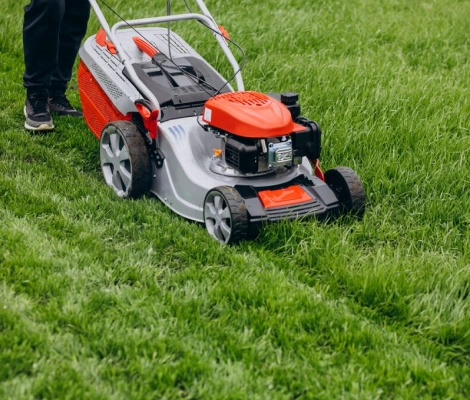
Consistent, professional lawn mowing is the foundation of a healthy, beautiful turf. In Utah’s challenging high-desert climate, where lawns face intense summer heat, high UV exposure, and water restrictions, proper mowing technique makes the difference between a thriving green carpet and a stressed, patchy yard. Whether you need weekly mowing in Salt Lake City, bi-weekly service in Park City, or seasonal maintenance across the Wasatch Back, professional lawn care ensures your grass is cut at optimal height, with sharp blades, and at the right frequency to promote deep root growth, drought tolerance, and weed resistance. At Prime Landscaping and Snow Removal LLC, our routine grass cutting services in Utah combine proper horticultural practices with reliable scheduling to keep your lawn looking its best throughout the growing season.
Lawn Mowing Service Areas
Prime Landscaping proudly provides routine grass cutting throughout Utah:
- Park City, UT
- Salt Lake City, UT
- Cottonwood Heights, UT
- Sandy, UT
- White City, UT
- Kamas, UT
- Heber City, UT
- Midway, UT
Why Professional Mowing Matters in Utah
Utah’s extreme climate demands more than just running a mower over grass. Improper mowing, cutting too short, using dull blades, mowing when wet, or cutting on irregular schedules, stresses turf, encourages weeds, increases water needs, and leaves your lawn vulnerable to disease and pests.
The lawn mowing experts at Prime Landscaping understand that Utah lawns require:
- Elevation-adjusted cutting heights – Park City’s high elevation and shorter growing season demand taller grass (3-4 inches) to shade roots and retain moisture
- Sharp blade maintenance – Clean cuts that heal quickly, reducing water loss and disease entry points in Utah’s dry, hot summers
- Proper timing – Avoiding mid-day mowing that stresses heat-burdened grass and causes rapid moisture loss
- Clipping management – Mulching or bagging based on grass health, avoiding thatch buildup that suffocates Utah’s dense turf varieties
- Pattern variation – Changing mowing direction preventing soil compaction, ruts, and grain formation
Our Lawn Mowing Services
1. Routine Grass Cutting
The core of lawn maintenance, our routine mowing in Park City and Salt Lake City follows best practices for Utah turf:
- Height-adjusted cutting – Kentucky bluegrass maintained at 2.5-3 inches, tall fescue at 3-4 inches, fine fescue at 2-2.5 inches
- One-third rule adherence – Never removing more than one-third of blade height in a single mowing to prevent plant stress
- Sharp blade guarantee – Blades sharpened every 8-10 hours of use ensuring clean cuts, not torn tissue
- Dry grass mowing – Scheduling around irrigation and morning dew for even cutting and reduced clumping
- Scalping prevention – Careful deck adjustment and terrain awareness preventing bare patches
- Seasonal height adjustment – Raising cutting height in summer heat, gradual lowering in fall preparation
2. Precision Edging & Trimming
Clean borders define professional lawn appearance:
- Vertical edging – Crisp lines along driveways, walkways, and patios using steel blade edgers
- String trimming – Detailed cutting around trees, fences, garden beds, and obstacles
- Curb line definition – Maintaining visible separation between lawn and hardscape
- Bed edge maintenance – Preventing grass encroachment into planting areas
- Island and feature detail – Precision work around specimen trees and landscape focal points
- Weekly consistency – Same-day edging with mowing maintaining uniform appearance
3. Clipping Management
Proper handling of grass clippings supports lawn health:
- Mulching mowers – Fine clippings returned to soil providing nitrogen and organic matter
- Side discharge – Even distribution when grass is actively growing and clippings are manageable
- Bagging service – Complete removal during heavy growth periods or when disease is present
- Clipping composting – Collected clippings composted for later soil amendment use
- Thatch monitoring – Preventing excessive buildup that blocks water and air from reaching roots
4. Seasonal Mowing Programs
Utah’s distinct seasons require adaptive mowing strategies:
- Spring startup – Gradual lowering from winter height, first cuts timed after soil firming
- Summer peak – Weekly or bi-weekly frequency based on growth rate and water availability
- Fall transition – Raising height, reduced frequency, final cuts before dormancy
- Winter preparation – Final mowing at proper height preventing snow mold and winter damage
- Water restriction adaptation – Adjusting frequency and height during municipal watering limitations
5. Integrated Lawn Care
Mowing coordinated with comprehensive turf health programs:
- Fertilizer timing coordination – Mowing schedules aligned with feeding programs
- Weed control integration – Spot treatment and prevention during regular visits
- Irrigation monitoring – Observing and reporting sprinkler issues during weekly visits
- Pest and disease observation – Early identification of problems requiring treatment
- Aeration and overseeding prep – Proper mowing height before and after seasonal services
| Service Component | Park City / Mountain | Salt Lake City / Urban | Wasatch Back / Rural |
|---|---|---|---|
| Cutting Height | 3-4 inches, taller for UV and wind protection | 2.5-3.5 inches, heat tolerance focus | 3-4 inches, drought and grazing resistance |
| Frequency | Bi-weekly, shorter season, slower growth | Weekly, longer season, faster growth | Bi-weekly to weekly, variable conditions |
| Timing | Mid-morning, after dew, before wind | Early morning, heat avoidance | Flexible, wind and livestock consideration |
| Equipment | Compact mowers, tight access, slope capable | Efficient wide-deck, zero-turn for speed | Heavy-duty, large area, durable construction |
| Clipping Management | Mulching preferred, limited bagging | Bagging during peak, mulching off-peak | Mulching or side discharge, natural return |
Professional Mowing Process
Pre-Mow Inspection
Every visit begins with site assessment:
- Debris clearing – Removing branches, toys, and obstacles that damage equipment and turf
- Irrigation check – Identifying broken heads, coverage issues, and wet spots
- Pest and disease scan – Noting areas requiring treatment attention
- Height verification – Confirming optimal cutting height for current conditions
- Blade condition check – Ensuring sharp, balanced cutting edges
Mowing Execution
Systematic technique for uniform results:
- Pattern variation – Alternating direction weekly preventing grain and compaction
- Overlap management – Proper tire tracking ensuring complete coverage without missed strips
- Speed control – Consistent pace preventing uneven cut and scalping
- Trim first, mow second – Detailed edge work before main area cutting
- Blowout prevention – Careful turns avoiding turf damage and soil disruption
Post-Mow Cleanup
Leaving property pristine after every visit:
- Hardscape blowing – Clearing clippings from driveways, walks, and patios
- Bed cleanup – Removing grass debris from planting areas
- Clipping dispersal – Even distribution or collection as specified
- Equipment cleanup – Preventing cross-contamination between properties
- Service documentation – Recording conditions and recommendations
Mowing by Utah Location
Park City & Summit County
High-elevation mowing addresses short seasons and extreme conditions:
- Short growing season – Typically May through October, with bi-weekly frequency sufficient
- Taller cutting height – 3-4 inches providing maximum root shade and UV protection
- Wind management – Timing mowing before afternoon winds that disrupt clipping dispersal
- Compact equipment – Maneuvering tight mountain lots and steep driveway transitions
- Snow mold prevention – Final fall cut at proper height preventing winter fungal issues
- Wildlife awareness – Careful operation in areas with deer, elk, and small animal activity
Salt Lake City & Wasatch Front
Urban mowing balances efficiency, appearance, and water restrictions:
- Extended season – March through November, with weekly frequency during peak growth
- Heat stress management – Raising height and adjusting timing during July-August peaks
- Water restriction adaptation – Working with reduced irrigation schedules, avoiding additional stress
- Efficient equipment – Wide-deck mowers maximizing productivity on larger urban lots
- HOA compliance – Meeting community height and appearance standards
- Pollution reduction – Mulching mowers reducing landfill waste and chemical fertilizer needs
Heber Valley & Wasatch Back
Rural mowing addresses agricultural scale and variable conditions:
- Large-area efficiency – Equipment and techniques for expansive rural lawns and pastures
- Variable terrain – Managing rough ground, irrigation ruts, and uneven settling
- Livestock coordination – Scheduling around grazing patterns and animal safety
- Irrigation system awareness – Protecting flood and pivot irrigation equipment
- Seasonal flexibility – Adapting to hay production schedules and agricultural priorities
Seasonal Mowing Calendar for Utah
Spring (March – May)
Establishing healthy patterns for the growing season:
- First cut timing – Waiting until grass actively grows and soil firms after thaw
- Gradual lowering – Reducing height from winter shag over 2-3 cuts
- Debris clearing – Removing winter gravel, branches, and accumulated litter
- Pre-emergent coordination – Timing cuts with crabgrass prevention applications
Summer (June – August)
Peak frequency with heat stress management:
- Weekly service – Maintaining consistent height during rapid growth
- Height raising – Increasing cut to 3+ inches during July-August heat
- Early timing – Completing work before midday heat peaks
- Water-wise adaptation – Adjusting for reduced irrigation schedules
Fall (September – October)
Preparing turf for winter dormancy:
- Reduced frequency – Bi-weekly as growth naturally slows
- Gradual lowering – Preparing for final cut without shocking plants
- Leaf management – Mulching light leaf fall or collecting heavy accumulation
- Final fertilization prep – Proper height for winterizer application
Winter (November – February)
Dormant season with limited activity:
- Final cut completion – Last mowing before sustained freeze
- Equipment maintenance – Sharpening, servicing, and winterizing mowers
- Planning and scheduling – Confirming routes and contracts for following season
- Emergency service – Addressing wind-thrown debris and unusual conditions
Frequently Asked Questions About Lawn Mowing in Utah
How often should I mow my lawn in Utah?
Optimal mowing frequency in Utah depends on location, grass type, and season. Salt Lake City lawns with Kentucky bluegrass typically require weekly mowing during peak growth (May-August) and bi-weekly during slower periods. Park City’s shorter season and cooler temperatures often allow bi-weekly service throughout the growing season. Tall fescue lawns grow more slowly and may need mowing only every 10-14 days. The key is following the one-third rule, never removing more than one-third of the grass blade in a single mowing. During periods of drought stress or water restriction, frequency should decrease to avoid additional stress. Prime Landscaping adjusts schedules dynamically based on actual growth rates rather than rigid calendars, ensuring your lawn is cut when needed, not just when scheduled.
What is the best height to mow grass in Utah?
The optimal mowing height for Utah lawns varies by grass species and season. Kentucky bluegrass, the most common Utah lawn grass, performs best at 2.5-3.5 inches. Tall fescue, increasingly popular for water-wise lawns, thrives at 3-4 inches. Fine fescue for shade areas should be maintained at 2-2.5 inches. During summer heat stress, raising height by 0.5-1 inch provides critical root shading and moisture retention. Park City’s high elevation and intense UV warrant maintaining grass at the taller end of these ranges year-round. Prime Landscaping adjusts cutting height seasonally, slightly lower in spring for green-up, maximum height in summer for stress tolerance, and moderate height in fall for winter preparation. We never scalp lawns by cutting too short, as this destroys the photosynthetic capacity and root depth that Utah lawns need to survive.
Should I bag or mulch my grass clippings?
For most Utah lawns, mulching clippings is preferable to bagging. Mulched clippings decompose quickly, returning nitrogen and organic matter to the soil, equivalent to about one fertilizer application per season. This natural recycling reduces landfill waste and supports soil biology. However, bagging is recommended when grass is excessively long, during disease outbreaks to prevent spread, when clippings would smother the lawn due to wet conditions, or when thatch buildup exceeds half-inch depth. Prime Landscaping uses mulching mowers as our default, switching to bagging during peak growth periods or when conditions warrant. Collected clippings are composted for later soil amendment use rather than landfilled. For Park City and high-altitude lawns where decomposition is slower, we may bag more frequently to prevent thatch accumulation.
Is it bad to mow when grass is wet?
Mowing wet grass is generally avoided by professional services for several important reasons. Wet clippings clump and distribute unevenly, creating mats that smother turf and promote fungal disease. Wet soil is more susceptible to compaction and rutting from mower tires, particularly problematic in Utah’s clay soils. Wet blades tear rather than cut cleanly, increasing water loss and disease susceptibility. Clumping clippings also clog mowers, reducing efficiency and potentially damaging equipment. Prime Landscaping schedules mowing to avoid wet conditions, typically mid-morning after dew has dried but before afternoon heat stress. During Utah’s monsoon season or when irrigation timing creates unavoidable wetness, we may reschedule or adjust routes. Our equipment includes high-lift blades and enhanced discharge systems that perform better in marginal conditions, but we prioritize dry mowing whenever possible for your lawn’s health.
How does professional mowing differ from DIY mowing?
Professional mowing provides benefits beyond simple time savings. Equipment quality is a major difference, Prime Landscaping uses commercial-grade mowers with sharp, balanced blades, proper deck design, and consistent cutting height adjustment that most homeowners cannot match. Technical knowledge ensures proper height for species and season, correct timing to avoid stress, and pattern variation preventing compaction. Consistency matters, weekly service on schedule prevents the up-and-down growth that stresses lawns. Integrated observation during each visit identifies irrigation issues, pest problems, and disease early. Professional crews also handle edging, trimming, and cleanup that complete the manicured appearance. For Utah’s challenging climate, professional mowing often pays for itself through reduced water needs, fewer chemical treatments, and extended turf lifespan. Our clients consistently report healthier, greener lawns after switching from DIY to professional service.
What happens to my mowing service during drought or water restrictions?
During Utah drought and water restrictions, Prime Landscaping adapts mowing practices to support lawn survival rather than appearance. We raise cutting height to maximum recommended levels, providing critical root shade and reducing evaporation. Frequency decreases to match actual growth, stressed lawns grow slowly and don’t need weekly cutting. We avoid mowing during extreme heat, waiting for cooler periods to prevent additional stress. Clippings are mulched to provide organic matter and slight moisture retention. We coordinate with your adjusted irrigation schedule, mowing after watering when possible. If lawns go fully dormant (natural brown state), we suspend service until recovery rains or fall cooling. Our integrated lawn care includes advising on water-wise grass varieties and xeriscape conversions for properties facing permanent water reduction. The goal shifts from maintaining a lush green carpet to preserving living turf that will recover when conditions improve.
Why Choose Prime Landscaping for Lawn Mowing in Utah?
Since 2018, Prime Landscaping and Snow Removal LLC has maintained thousands of lawns across Utah’s diverse terrain. Our mowing expertise includes:
- 30+ years of combined turf management experience with Utah’s specific grass varieties and climate challenges
- Commercial-grade equipment – sharp blades, proper decks, and reliable machines ensuring consistent quality
- Horticultural training – crews understand grass biology, not just machine operation
- Reliable scheduling – consistent weekly or bi-weekly service you can count on
- Elevation-specific knowledge – we know Park City’s short season demands versus Salt Lake City’s extended care
- Integrated observation – identifying and reporting problems before they become expensive repairs