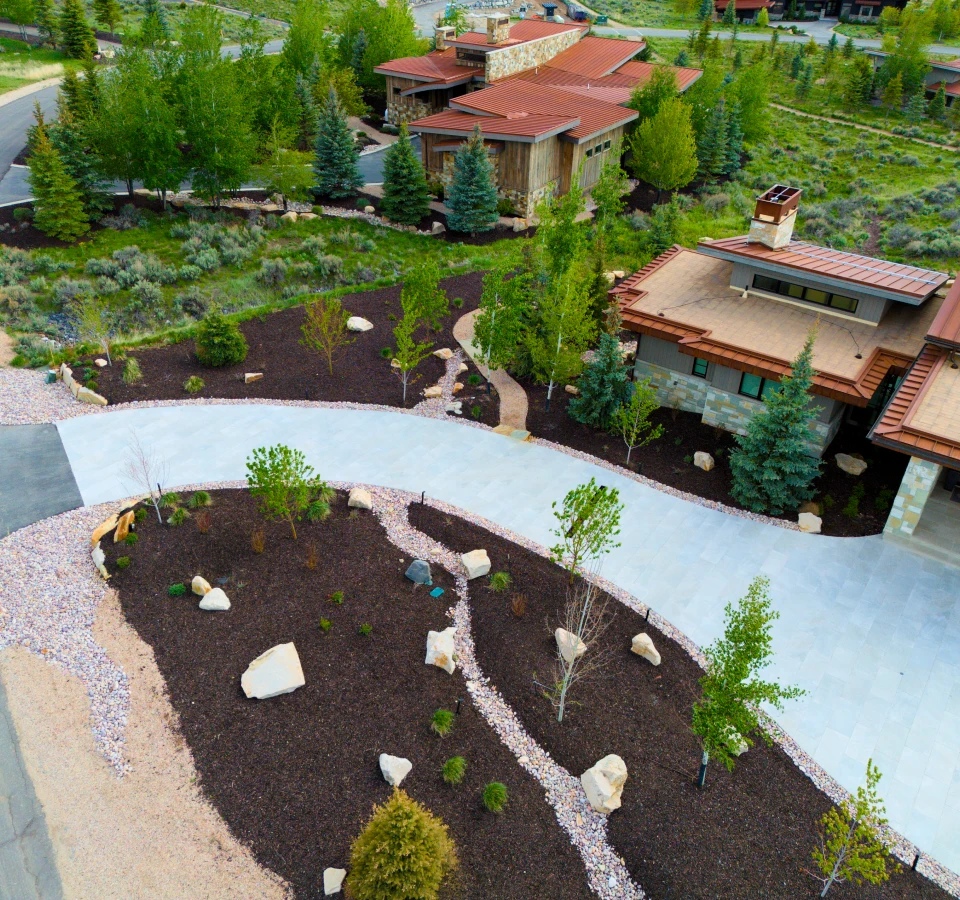
Beautiful, thriving planting beds transform ordinary Utah landscapes into extraordinary outdoor experiences. Whether you envision a vibrant perennial border in Salt Lake City, a native wildflower meadow in Park City, or structured shrub plantings across the Wasatch Back, professionally designed and installed planting beds provide year-round color, texture, and ecological value. At Prime Landscaping and Snow Removal LLC, our planting bed installation services in Utah combine horticultural science, artistic design, and local expertise to create garden beds that flourish in Utah’s challenging high-desert climate while reflecting your personal aesthetic vision.
Planting Bed Service Areas
Prime Landscaping proudly provides planting bed design and installation throughout Utah:
- Park City, UT
- Salt Lake City, UT
- Cottonwood Heights, UT
- Sandy, UT
- White City, UT
- Kamas, UT
- Heber City, UT
- Midway, UT
Why Professional Planting Beds Matter in Utah
Utah’s extreme climate, with scorching summer heat, intense UV at high elevation, alkaline clay soils, and dramatic freeze-thaw cycles, makes plant selection and bed preparation critical. A professionally designed planting bed accounts for these challenges from the ground up, ensuring your investment thrives rather than merely survives.
The planting bed specialists at Prime Landscaping understand that Utah gardens require:
- Elevation-appropriate species – Park City’s Zone 4-5 demands cold-hardy varieties that withstand 200+ freeze cycles annually
- Water-wise plant palettes – Drought-tolerant selections that thrive under Utah’s water restrictions and arid conditions
- Soil amendment expertise – Correcting Utah’s alkaline pH (7.5-8.5) and heavy clay for root health and nutrient availability
- Seasonal interest planning – Four-season designs that bloom in spring, thrive in summer, color in autumn, and provide winter structure
- Wildlife-resistance strategies – Protecting plantings from deer, elk, and rabbits prevalent across Utah’s Wasatch Front and Back
Our Planting Bed Services
1. Perennial Border Design & Installation
The backbone of any beautiful Utah garden, perennial borders in Park City and Salt Lake City provide returning color year after year:
- Cottage garden style – Informal, romantic drifts of penstemon, coneflower, salvia, and rudbeckia
- Formal structured borders – Symmetrical plantings with defined edges for traditional architectural settings
- Native perennial meadows – Utah penstemon, blanket flower, yarrow, and sulphur buckwheat supporting local ecology
- Shade-tolerant borders – Hosta, coral bells, astilbe, and bleeding heart for north-facing and tree-covered areas
- Drought-tolerant xeriscape borders – Lavender, sedum, agastache, and ornamental grasses thriving with minimal water
- Continuous bloom sequencing – Staggered flowering times ensuring color from April through October
2. Shrub & Foundation Plantings
Structural plantings that anchor your landscape and provide year-round presence:
- Foundation plantings – Layered shrubs that enhance architecture without obstructing windows or pathways
- Privacy hedges – Dense evergreen and deciduous barriers for property lines and outdoor room definition
- Specimen focal points – Dramatic Japanese maple, serviceberry, or contorted filbert as garden centerpieces
- Four-season shrub borders – Combinations with spring bloom, summer foliage, autumn color, and winter berry or bark
- Deer-resistant selections – Barberry, juniper, potentilla, and butterfly bush surviving Utah’s wildlife pressure
- Native shrub restoration – Serviceberry, chokecherry, mountain mahogany, and Rocky Mountain maple for naturalistic settings
3. Annual & Seasonal Color Beds
Instant, vibrant impact for high-visibility areas and special events:
- Spring bulb displays – Tulips, daffodils, crocus, and hyacinth naturalized for early season color
- Summer annual rotations – Petunia, marigold, zinnia, and salvia in coordinated color schemes
- Fall mum and kale plantings – Autumn color transitions for seasonal curb appeal
- Winter interest arrangements – Ornamental cabbage, winterberry, and evergreen containers
- Container gardens – Seasonally rotated planters for patios, entries, and outdoor living spaces
- Cutting gardens – Annual and perennial combinations providing fresh flowers for indoor arrangements
4. Raised Bed & Specialty Gardens
Engineered growing environments for specific purposes and challenging conditions:
- Vegetable garden beds – Cedar or composite raised beds with proper depth, drainage, and soil for productive growing
- Herb gardens – Culinary and medicinal plantings in accessible, organized layouts
- Rock gardens – Alpine-inspired plantings in berms and crevices perfect for Park City’s elevation
- Rain gardens – Depressed beds capturing runoff with moisture-loving natives and sedges
- Pollinator gardens – Nectar-rich plantings supporting bees, butterflies, and hummingbirds
- Sensory gardens – Fragrant, textured, and colorful plantings for therapeutic and educational spaces
5. Ornamental Grass & Native Plantings
Movement, texture, and ecological function for modern Utah landscapes:
- Ornamental grass drifts – Feather reed grass, blue fescue, switchgrass, and maiden grass providing seasonal movement
- Prairie-style plantings – Matrix plantings of grasses and forbs mimicking natural Utah ecosystems
- Native wildflower meadows – Low-maintenance, ecologically beneficial plantings requiring minimal inputs
- Slope-stabilizing plantings – Deep-rooted natives preventing erosion on challenging grades
- Fire-wise plantings – Low-flammability natives and succulents for defensible space zones
| Bed Type | Best Applications | Key Benefits | Utah Considerations |
|---|---|---|---|
| Perennial Borders | Foundation accents, garden focal points, property boundaries | Returning color, soil improvement, pollinator support | Cold-hardy varieties for Park City, drought tolerance for SLC |
| Shrub Plantings | Privacy screens, structure, winter interest, erosion control | Year-round presence, habitat, property value increase | Deer-resistant selections, wind tolerance, elevation hardiness |
| Annual Color Beds | Entries, patios, high-visibility areas, seasonal refresh | Instant impact, color flexibility, event preparation | Heat-tolerant varieties, water restriction compliance |
| Raised Beds | Vegetables, herbs, poor soil sites, accessibility needs | Soil control, drainage, ergonomic gardening, pest reduction | Deep beds for root crops, cedar construction for longevity |
| Native Plantings | Xeriscapes, naturalized areas, ecological restoration, slopes | Minimal water, wildlife support, soil adaptation, low maintenance | Utah penstemon, serviceberry, sagebrush for authentic ecology |
Professional Planting Bed Installation Process
Design & Planning
Every successful bed begins with thoughtful design:
- Site analysis – Evaluating sun exposure, soil conditions, drainage, and existing vegetation
- Style consultation – Understanding your aesthetic preferences from formal to naturalistic
- Plant palette development – Selecting species matched to your microclimate and maintenance expectations
- Mature size planning – Spacing plants for their ultimate dimensions, not nursery size
- Bloom sequence mapping – Ensuring continuous color through thoughtful variety selection
- Maintenance level calibration – Matching plant choices to your desired time investment
Bed Preparation & Soil Building
Utah’s challenging soils require intensive preparation:
- Existing vegetation removal – Eliminating weeds and unwanted plants by root extraction
- Soil amendment incorporation – Blending compost, peat, and sulfur to improve structure and pH
- Drainage improvement – Adding perlite or coarse sand for heavy clay areas
- Edge definition – Creating clean borders with steel, stone, or trench edging
- Grading and contouring – Establishing proper surface drainage and visual interest
- Starter fertilization – Incorporating slow-release nutrients for establishment
Professional Planting
Proper installation techniques ensure long-term success:
- Root ball preparation – Teasing circling roots and scoring root-bound containers
- Planting depth verification – Setting plants at proper grade preventing root suffocation or drying
- Backfill technique – Firm but not compacted soil ensuring root-to-soil contact and oxygen availability
- Mulch application – 2-3 inch protective layer conserving moisture and suppressing weeds
- Immediate watering – Thorough saturation eliminating air pockets and establishing soil contact
- Structural support – Staking trees and large shrubs only when necessary with proper technique
Establishment Care
Critical first-year attention ensures long-term thriving:
- Watering schedules – Deep, infrequent irrigation encouraging deep root establishment
- Deadheading and pruning – Promoting rebloom and proper structure development
- Weed management – Early elimination preventing competition during establishment
- Monitoring and replacement – Tracking plant health and replacing any failures under warranty
- Seasonal feeding – Targeted fertilization supporting bloom and growth cycles
Planting Beds by Utah Location
Park City & Summit County
High-elevation gardens demand cold-hardy, wind-resistant selections:
- Zone 4-5 hardiness – Selecting plants surviving temperatures to -20°F and 200+ freeze cycles
- UV-tolerant varieties – Species withstanding intense high-altitude sun exposure
- Wind-resistant plantings – Low-profile, flexible stems and compact growth habits
- Short-season bloomers – Varieties maturing and flowering within Park City’s brief growing window
- Snow-load considerations – Avoiding brittle branches and upright forms that break under heavy snow
- Native mountain ecology – Penstemon, columbine, serviceberry, and aspen for authentic alpine character
Salt Lake City & Wasatch Front
Urban gardens balance beauty, water restrictions, and heat tolerance:
- Heat island adaptation – Selecting varieties tolerant of reflected heat and urban pollution
- Water-wise compliance – Plant palettes meeting SLC xeriscape and rebate program requirements
- Compact space optimization – Vertical plantings, espalier, and layered beds maximizing small lots
- Shade-tolerant solutions – Hosta, fern, and woodland varieties for mature neighborhood tree canopy
- HOA-approved designs – Working within community guidelines while expressing individual style
- Pollinator corridor support – Nectar-rich plantings contributing to urban bee and butterfly habitat
Heber Valley & Wasatch Back
Rural plantings embrace agricultural scale and natural beauty:
- Large-scale perennial meadows – Expansive drifts visible from distance and supporting pollinator populations
- Orchard integration – Understory plantings supporting fruit tree health and productivity
- Windbreak and shelterbelt plantings – Dense shrub and tree rows protecting homesteads and livestock
- Cutting garden production – Annual and perennial beds providing flowers for market or home use
- Native restoration – Reestablishing sagebrush, rabbitbrush, and wild rye for wildlife habitat
- Seasonal color for rural entrances – Welcoming plantings at property gates and along driveways
Seasonal Planting Calendar for Utah
Spring (April – May)
Primary planting season for most Utah perennials and shrubs:
- Container-grown shrubs and trees – Ideal timing for root establishment before summer heat
- Perennial division and transplanting – Moving and splitting established plants during dormancy break
- Spring bulb installation – Planting tulips, daffodils, and crocus for following spring bloom
- Cool-season annuals – Pansies, violas, and snapdragons tolerating late frosts
Summer (June – August)
Possible with proper care for heat-tolerant varieties:
- Heat-tolerant annuals – Zinnia, marigold, and vinca thriving in summer warmth
- Container gardens – Seasonal rotation for patios and entries
- Irrigation-dependent plantings – Requiring vigilant watering during establishment
- Fall bulb pre-orders – Planning and ordering for autumn installation
Fall (September – October)
Second-best season with unique advantages for root development:
- Spring-blooming bulbs – Tulips, daffodils, alliums, and hyacinth for next season
- Tree and shrub planting – Cool soil promoting root growth without top stress
- Perennial installation – Establishment before dormancy for strong spring emergence
- Division and transplanting – Moving spring-blooming perennials after flowering
Winter (November – March)
Planning and dormant-season activities:
- Design development – Creating plans for spring implementation
- Plant sourcing – Ordering bare-root and specialty plants for spring delivery
- Pruning and renovation – Structural pruning of dormant deciduous shrubs
- Bed preparation – Soil amendment and grading during frost-free periods
Frequently Asked Questions About Planting Beds in Utah
How do you prepare soil for planting beds in Utah?
Utah soil preparation for planting beds requires aggressive amendment due to our native heavy clay and alkaline pH (7.5-8.5). Prime Landscaping begins with soil testing to determine exact amendment needs. Standard preparation includes removing existing vegetation and debris, tilling to 12-18 inches depth, and incorporating 2-4 inches of organic compost to improve structure and drainage. For alkaline correction, we add elemental sulfur or peat moss to lower pH toward neutral. Perlite or coarse sand improves drainage in compacted clay areas. For raised beds, we bring in premium blended topsoil formulated for Utah conditions. We also add mycorrhizal inoculants to support beneficial soil fungi that enhance root health and nutrient uptake. This comprehensive preparation creates the foundation for thriving plantings that would struggle in unamended native soil.
What are the best plants for Utah planting beds?
The best plants for Utah planting beds depend on your specific location, sun exposure, and water availability. For Park City’s high elevation, we recommend cold-hardy perennials like Utah penstemon, columbine, sedum, and coneflower, plus shrubs like serviceberry, potentilla, and dwarf spruce. Salt Lake City gardens thrive with heat-tolerant varieties including lavender, salvia, Russian sage, and ornamental grasses, plus shrubs like barberry, butterfly bush, and viburnum. Shade-tolerant options include hosta, coral bells, astilbe, and ferns. For water-wise landscapes, native and adapted plants like yarrow, blanket flower, blue fescue, and sagebrush excel. Prime Landscaping conducts site-specific assessments considering your soil, sun, wind, and wildlife pressure before recommending the optimal plant palette for your unique Utah property.
How do you protect planting beds from deer and wildlife?
Wildlife protection is essential for Utah planting beds, particularly in Park City and Wasatch Back areas with high deer and elk populations. Prime Landscaping employs multiple strategies: plant selection using deer-resistant species like lavender, salvia, barberry, and ornamental grasses that wildlife typically avoid. Physical barriers including decorative fencing, netting, and trunk guards protect vulnerable plantings. Repellent applications using organic, non-toxic sprays deter browsing during establishment. Strategic bed placement locating highly desirable plants closer to structures and human activity reduces wildlife pressure. Companion planting with strongly scented herbs like rosemary and thyme masks the aroma of preferred plants. For severe pressure areas, we design with wildlife-resistant natives that have coevolved with local herbivores, creating beautiful beds that don’t require constant defense.
How often should planting beds be maintained?
Planting bed maintenance frequency in Utah varies by season and bed type. Spring requires the most intensive care: pruning dormant perennials and grasses, dividing overcrowded clumps, applying fresh mulch, and fertilizing for the growing season. Summer maintenance focuses on deadheading spent blooms to encourage rebirth, consistent deep watering during heat, and vigilant weed removal before seed set. Fall involves cutting back herbaceous perennials, planting spring bulbs, and applying protective mulch before winter. Winter is primarily planning and structural pruning of deciduous shrubs. Prime Landscaping offers flexible maintenance programs ranging from weekly seasonal color bed refresh to quarterly perennial bed care, plus annual comprehensive renovation. We also provide homeowner training for those who prefer hands-on involvement with their gardens.
Can you create four-season interest in Utah planting beds?
Absolutely. Four-season interest is a Prime Landscaping specialty, particularly important for Utah’s long winters. Spring color comes from bulbs, early perennials like hellebore and candytuft, and flowering shrubs like forsythia and serviceberry. Summer abundance features coneflower, salvia, daylily, and ornamental grasses in full bloom. Autumn interest includes sedum, aster, goldenrod, and shrubs with fall foliage color like burning bush and chokeberry. Winter structure relies on evergreen shrubs, ornamental grass plumes, red-twig dogwood bark, winterberry fruit, and interesting seed heads left standing. We also incorporate hardscape elements like boulders, sculptures, and decorative containers that provide visual interest when plants are dormant. This thoughtful layering ensures your Utah garden remains engaging and beautiful every month of the year.
What is the difference between annual and perennial planting beds?
Annual and perennial planting beds serve different purposes in Utah landscapes. Annual beds provide instant, vibrant color through plants that complete their life cycle in one season, petunias, marigolds, zinnias, and coleus. They offer maximum color flexibility, allowing complete redesign each year, but require seasonal replanting and higher water inputs. Perennial beds feature plants that return year after year, penstemon, coneflower, salvia, and hosta, establishing deeper root systems that improve drought tolerance and soil health over time. Perennials require less replanting but have specific bloom windows and need periodic division every 3-5 years. Prime Landscaping often designs hybrid beds combining perennial structure with annual accents for the best of both worlds: lasting foundation plantings with seasonal color pops that can be changed without disturbing the entire bed.
Why Choose Prime Landscaping for Planting Beds in Utah?
Since 2018, Prime Landscaping and Snow Removal LLC has designed and installed thousands of planting beds across Utah’s diverse landscapes. Our planting expertise includes:
- 30+ years of combined horticultural experience with Utah’s unique climate, soils, and native plant communities
- Certified horticulturists and landscape designers trained in plant selection, soil science, and ecological design
- Native plant specialists – expertise in Utah’s indigenous flora and their cultivation requirements
- Deer-resistant design expertise – creating beautiful beds that survive wildlife pressure without constant intervention
- Elevation-specific knowledge – understanding the critical differences between Park City’s Zone 4 and Salt Lake City’s Zone 6
- Guaranteed establishment – 1-year plant replacement warranty ensuring your investment thrives