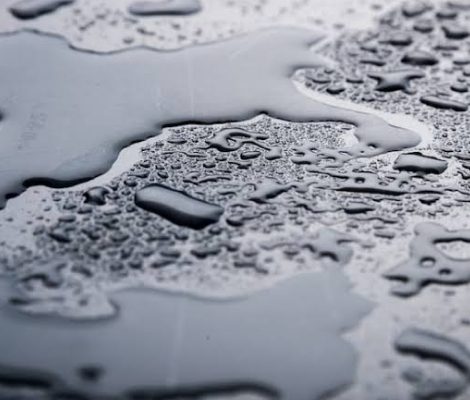
The most effective way to fight ice is to prevent it from ever bonding to your pavement. Pre-treatment, also called anti-icing, is the proactive application of liquid brine or chemical solutions to surfaces before a winter storm arrives. At Prime Landscaping and Snow Removal LLC, our pre-treatment services create an invisible barrier between snow and pavement, making post-storm clearing faster, safer, and dramatically more cost-effective across Utah’s challenging winter climate.
The Science of Pre-Treatment & Anti-Icing
Pre-treatment is not guesswork, it is applied chemistry with measurable, proven results. Understanding how it works explains why it outperforms reactive de-icing every time:
- Preventing the Ice Bond: When liquid brine is applied to dry pavement before a storm, it creates a thin saline layer. As snow falls, this layer prevents ice crystals from adhering directly to the pavement surface. Instead of a solid ice sheet, you get a slushy layer that is easily plowed away.
- Freeze Point Depression: Brine solutions lower the freezing point of water on the pavement surface. A 23% sodium chloride brine prevents freezing to approximately 6°F, while a 32% calcium chloride brine remains effective to -25°F, critical for Utah’s extreme high-altitude cold.
- Capillary Action Prevention: Porous pavement absorbs moisture through tiny capillaries. When this moisture freezes, it expands and causes spalling. Pre-treatment fills these capillaries with brine, preventing water absorption and freeze-thaw damage.
- Exothermic vs. Endothermic Reactions: Calcium chloride pre-treatments generate exothermic heat when contacting moisture, actively warming the surface. Sodium chloride works endothermically, requiring ambient heat but providing longer residual protection. We select products based on forecasted conditions.
- Dilution Threshold Management: As snow falls on pre-treated surfaces, it dilutes the brine layer. Our application rates are calculated to maintain effective concentration through predicted snowfall depths, ensuring protection lasts through the entire storm event.
- Pre-Wetting Solid Salt: When we do apply solid salt after plowing, pre-wetting it with brine accelerates activation from 30–45 minutes to 5–10 minutes. This rapid response prevents refreezing during critical transition periods.
- Micro-Layer Technology: Modern anti-icing liquids contain surfactants and corrosion inhibitors that help the brine spread uniformly across the pavement micro-texture, ensuring complete coverage rather than pooling in low spots.
Our Pre-Treatment & Anti-Icing Services
Storm-Forecast Pre-Treatment
Proactive brine application 2–24 hours before predicted snowfall. We monitor NOAA forecasts and pavement temperatures to time applications for maximum effectiveness and minimal waste.
Commercial Parking Lot Anti-Icing
Large-scale liquid brine application for retail centers, office parks, and industrial facilities. Tanker trucks with spray bars cover expansive lots efficiently and uniformly.
Walkway & Sidewalk Pre-Treatment
Precision spray application on pedestrian paths, entryways, stairs, and ramps using walk-behind sprayers and backpack units. Ensures safe pedestrian access from the first snowflake.
Pre-Wetting Solid Salt
Coating rock salt or magnesium chloride with liquid brine before spreading. Accelerates melting action, reduces bounce and scatter, and keeps material on target surfaces instead of landscaping.
Seasonal Pre-Treatment Contracts
Recurring anti-icing service throughout winter based on forecast monitoring. Automatic deployment when storms approach, no need to call, no delays, no ice bonds.
Eco-Friendly Organic Pre-Treatment
Beet juice, corn byproduct, and potassium acetate blends for properties near water sources, organic farms, or sensitive ecosystems. Effective ice prevention with zero chloride impact.
Pre-Treatment Products & Solutions
Prime Landscaping maintains a diverse inventory of anti-icing solutions calibrated for Utah’s variable winter conditions:
- 23% Sodium Chloride Brine (Rock Salt Brine): The industry standard for moderate temperatures (effective to 6°F). Economical, readily available, and proven effective for most Utah storms. Applied via spray trucks and walk-behind sprayers for large and small areas.
- 32% Calcium Chloride Brine: High-performance liquid for extreme cold (effective to -25°F). Generates exothermic heat upon contact with moisture, providing active warming in addition to freeze point depression. Ideal for high-altitude properties and sub-zero events.
- Magnesium Chloride Brine: Effective to -13°F with lower corrosivity than sodium chloride. Gentler on concrete, steel, and vegetation. Our preferred general-purpose pre-treatment for most Utah commercial properties.
- Potassium Acetate: Non-chloride liquid effective to -26°F. Completely non-corrosive and biodegradable. Used for bridges, parking structures, and properties where chloride contamination is prohibited.
- Beet Juice Blends: Organic byproduct mixed with salt brine to enhance adhesion, reduce bounce, and add color for visual application tracking. Lower freeze point and longer residual activity than brine alone.
- Calibrated Pre-Wet Salt: Solid rock salt or magnesium chloride pre-coated with brine at precise ratios (typically 8–12 gallons per ton). Activates within minutes instead of half an hour, reducing material waste and improving performance.
- Corrosion-Inhibited Formulations: All our brine solutions include corrosion inhibitors that reduce metal degradation by 70–80% compared to untreated salt. Protects rebar, railings, vehicles, and equipment.
Our Professional Pre-Treatment Process
At Prime Landscaping, pre-treatment timing and technique are as critical as product selection. Our systematic approach ensures optimal results:
- 72-Hour Weather Monitoring: Our operations center tracks approaching storms using NOAA data, local weather stations, and pavement temperature sensors. Pre-treatment decisions are made 24–48 hours before storm arrival.
- Pavement Condition Assessment: We verify that pavement is dry and above the product’s eutectic temperature before application. Wet or frozen pavement absorbs brine unevenly, reducing effectiveness.
- Product Selection Based on Forecast: Temperature, storm duration, snowfall rate, and wind conditions determine whether we deploy sodium chloride brine, calcium chloride brine, or organic alternatives.
- Calibrated Spray Application: Our spray trucks apply brine at precise rates, typically 40 gallons per lane-mile for roads, or 0.5–1.0 gallons per 1,000 square feet for parking lots. GPS tracking ensures complete, uniform coverage.
- Application Timing Optimization: We time applications to allow the brine to dry and bond to pavement before precipitation begins. Too early, and traffic wears it away; too late, and dilution begins immediately.
- Storm-Event Monitoring: During the storm, we track accumulation rates and brine dilution. If snowfall exceeds the pre-treatment’s capacity, we deploy secondary anti-icing or transition to active plowing and de-icing.
- Post-Storm Evaluation: After clearing, we assess pre-treatment effectiveness and document results. This data refines future application rates and timing for your specific property.
Benefits of Professional Pre-Treatment
Pre-treatment delivers measurable advantages that reactive snow removal simply cannot match:
- 75% Material Reduction: Anti-icing uses significantly less chemical product than post-storm de-icing. A single pre-treatment application often eliminates the need for multiple post-storm salt treatments.
- Faster Post-Storm Recovery: Because ice never bonds to pavement, plowing and shoveling are faster and more effective. Snow slides off instead of scraping against frozen adhesion.
- Lower Labor Costs: Reduced ice bonding means less time spent on chipping, scraping, and repeated clearing passes. Your labor budget stretches further throughout the season.
- Surface Protection: Preventing ice bond formation eliminates the freeze-thaw spalling that damages concrete and asphalt. Pre-treatment is an investment in pavement longevity.
- Improved Safety: Surfaces remain passable longer during storms because snow does not compact into ice. Pedestrians and vehicles maintain traction even before plowing begins.
- Environmental Benefits: Less total chemical usage means less chloride runoff into waterways, less salt damage to vegetation, and reduced corrosion of nearby metal structures.
- Operational Predictability: Pre-treatment transforms winter storm response from reactive chaos to proactive planning. You know exactly when applications will occur and what results to expect.
Areas We Serve Across Utah
Prime Landscaping and Snow Removal LLC provides pre-treatment and anti-icing services throughout the Wasatch Front, Wasatch Back, and surrounding mountain communities:
- Park City
- Salt Lake City
- Kamas
- Heber City
- Midway
- Cottonwood Heights
- Sandy
- White City
- Oakley
- Summit County
- Salt Lake County
- Wasatch County
From high-altitude resort properties in Park City where storms arrive with little warning, to dense urban centers in Salt Lake City where traffic accelerates brine wear-off, our pre-treatment programs are calibrated for your micro-climate. We maintain local brine storage and mixing facilities to ensure rapid deployment when forecasts change.
Why Choose Prime Landscaping for Pre-Treatment?
- 30+ Years of Anti-Icing Expertise: Our team has refined pre-treatment techniques through decades of Utah winters, understanding exactly when, where, and how much to apply for maximum effectiveness.
- Advanced Weather Intelligence: Multi-source forecasting, pavement temperature sensors, and real-time storm tracking enable precise application timing that DIY monitoring cannot match.
- Diverse Product Inventory: Seven different anti-icing solutions allow us to match the perfect product to your temperature, surface, and environmental requirements.
- GPS-Calibrated Application: Spray trucks with variable-rate technology and GPS tracking ensure uniform coverage at optimal rates, no over-application, no missed spots.
- Integrated Winter Management: Pre-treatment is the first phase of our comprehensive snow and ice management program, seamlessly transitioning to plowing, de-icing, and hauling as storms progress.
- Cost Transparency: Pre-treatment contracts include clear per-application or seasonal pricing with documented material usage. You see exactly what you are paying for and why it saves money.
- 24/7 Forecast Response: Our operations team monitors weather around the clock and deploys pre-treatment crews automatically, no waiting for you to call, no delays when storms approach overnight.
Frequently Asked Questions
How far in advance should pre-treatment be applied?
Optimal timing is 2–12 hours before precipitation begins. Too early, and traffic or wind can disperse the brine; too late, and snow begins diluting the solution before it bonds. We monitor forecasts and pavement conditions to time applications precisely for your property.
Will rain wash away the pre-treatment?
Yes, rain before a snowstorm can wash away brine applications. Our weather monitoring detects this risk and adjusts timing accordingly. In some cases, we delay application until rain transitions to snow, or we use higher-adhesion products like beet juice blends that resist wash-off.
Does pre-treatment work on gravel or unpaved surfaces?
Pre-treatment is most effective on paved surfaces where brine can form a uniform barrier. On gravel or dirt, absorption is uneven and traffic displacement is significant. We recommend sanding and traction improvement for unpaved surfaces rather than liquid anti-icing.
Can pre-treatment damage my pavement or vehicles?
When applied correctly to dry pavement at proper rates, pre-treatment is safe for all hardscape materials. Our corrosion-inhibited formulations protect vehicles and metal structures. Over-application or application to already-wet surfaces can cause minor tracking residue, which we avoid through calibrated equipment.
Is pre-treatment cost-effective compared to post-storm salting?
Absolutely. Pre-treatment typically uses 75% less material than reactive de-icing, reduces labor hours by 40–60%, and prevents ice bond damage that costs far more than the treatment itself. Most commercial properties see net savings within the first season of implementing anti-icing programs.