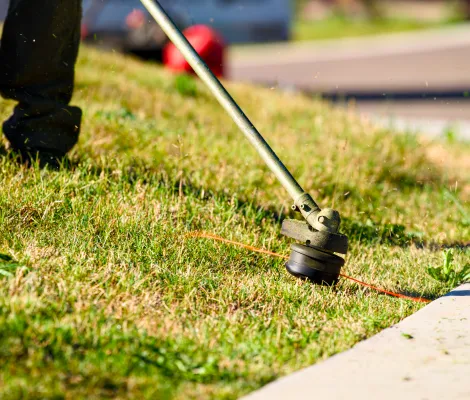
Proper trimming and pruning are essential practices that keep Utah’s trees, shrubs, and hedges healthy, safe, and visually appealing. In Utah’s challenging high-desert climate, where plants face intense UV exposure, dramatic temperature swings, heavy snow loads, and limited moisture, strategic pruning makes the difference between thriving specimens and stressed, overgrown vegetation. Whether you need structural tree pruning in Park City, ornamental shrub trimming in Salt Lake City, or hedge maintenance across the Wasatch Back, professional care ensures your plants develop strong structure, resist disease, and maintain their intended form. At Prime Landscaping and Snow Removal LLC, our trimming and pruning services in Utah combine arboricultural science with artistic vision to enhance every plant’s health and beauty.
Trimming & Pruning Service Areas
Prime Landscaping proudly provides trimming and pruning services throughout Utah:
- Park City, UT
- Salt Lake City, UT
- Cottonwood Heights, UT
- Sandy, UT
- White City, UT
- Kamas, UT
- Heber City, UT
- Midway, UT
Why Trimming & Pruning Matter in Utah
Utah’s extreme climate creates unique stresses that make proper pruning essential. Heavy winter snow loads break weak branches, intense summer sun scorches overcrowded interiors, and spring winds damage poorly structured canopies. Without regular maintenance, plants become hazardous, unsightly, and prone to disease.
The trimming and pruning specialists at Prime Landscaping understand that Utah plants require:
- Snow-load preparation – Thinning dense canopies and removing weak forks that collapse under Park City’s heavy powder snow
- Wind resistance – Structural pruning that reduces sail area and strengthens branch attachments against Utah’s canyon winds
- Sun and heat management – Opening interiors for air circulation that prevents scorch and fungal issues in intense summer heat
- Drought stress reduction – Proper thinning that balances canopy size with root capacity during water restrictions
- Wildlife damage prevention – Strategic cuts that discourage deer rubbing and elk browsing on vulnerable specimens
Our Trimming & Pruning Services
1. Tree Pruning
Professional tree pruning in Park City and Salt Lake City addresses health, safety, and aesthetics for specimens of all sizes:
- Crown cleaning – Removing dead, dying, diseased, and broken branches improving health and safety
- Crown thinning – Selective removal of live branches reducing density while maintaining natural shape
- Crown raising – Elevating lower branches for clearance over walkways, drives, and structures
- Crown reduction – Reducing overall size while preserving natural form for specimens near buildings
- Structural pruning – Training young trees with proper branch spacing and strong attachments
- Vista pruning – Selective thinning that frames views without destroying tree character
- Restoration pruning – Correcting previous poor pruning and storm damage over multiple seasons
2. Shrub Trimming & Pruning
Maintaining healthy, compact shrubs that enhance rather than overwhelm your landscape:
- Rejuvenation pruning – Hard cutting of overgrown shrubs stimulating fresh, vigorous growth from base
- Selective thinning – Removing oldest stems maintaining size while preserving natural form
- Heading cuts – Shortening branches to buds encouraging bushier, denser growth
- Pinching and tip pruning – Soft tissue removal promoting branching on annuals and tender shrubs
- Suckering control – Removing unwanted basal shoots from grafted specimens
- Deadheading – Removing spent flowers encouraging rebloom and preventing seed production
- Size management – Regular maintenance keeping shrubs proportionate to their space
3. Hedge Trimming
Creating and maintaining crisp, formal boundaries:
- Formal shearing – Geometric shaping of boxwood, yew, privet, and other hedge species
- Informal hedges – Naturalistic trimming preserving flowering and fruiting capacity
- Height and width control – Maintaining proportions appropriate for space and function
- Tapered profiles – Cutting narrower at top than base ensuring light reaches lower growth
- Renovation shearing – Aggressive cutting back overgrown hedges to reestablish size
- New hedge establishment – Training young plantings with formative trimming
4. Deadwood Removal & Hazard Mitigation
Safety-focused pruning preventing property damage and personal injury:
- Dead branch removal – Eliminating brittle, hazardous branches before they fall
- Hanging branch removal – Addressing partially attached limbs from storm damage
- Weak attachment correction – Reducing or removing co-dominant stems with included bark
- Clearance pruning – Maintaining required distances from structures, utilities, and traffic
- Weight reduction – Thinning branch ends reducing leverage and failure risk
- Post-storm assessment – Emergency evaluation and repair after wind, snow, or ice events
5. Specialty Pruning
Techniques for specific plant types and purposes:
- Fruit tree pruning – Open center and central leader forms maximizing production and health
- Rose pruning – Species-specific cuts for hybrid teas, floribundas, climbers, and shrubs
- Ornamental grass cutting – Seasonal renewal removing old growth before new emergence
- Topiary and espalier – Artistic shaping of specimens into geometric or flat forms
- Wisteria and vine pruning – Containing aggressive growers while maximizing bloom
- Native plant maintenance – Minimal intervention preserving natural form and ecological function
| Pruning Type | Best Season | Key Benefits | Utah Considerations |
|---|---|---|---|
| Structural Tree Pruning | Late winter (Feb-Mar) | Visible branch structure, rapid wound closure, no leaf interference | Before sap flow, after heavy snow risk, Park City: wait until March |
| Shrub Rejuvenation | Early spring (Mar-Apr) | Maximum regrowth potential, complete season for establishment | After last hard frost, before summer heat stress begins |
| Hedge Trimming | Spring, mid-summer, fall | Maintained form, controlled growth, crisp appearance | Avoid trimming 6 weeks before first frost in Park City |
| Deadwood Removal | Year-round as needed | Safety, disease prevention, improved appearance | Immediate response after storms, winter removal for fire prevention |
| Fruit Tree Pruning | Late winter (Feb-Mar) | Disease reduction, improved fruit quality, manageable size | Before bud break, after coldest temperatures pass |
Professional Pruning Process
Assessment & Planning
Every pruning job begins with thorough evaluation:
- Plant health inspection – Identifying disease, pest issues, and structural problems
- Species-specific requirements – Researching optimal timing and techniques for each plant
- Client objective clarification – Understanding goals for size, shape, view, and function
- Safety hazard identification – Noting power lines, structures, and traffic risks
- Equipment selection – Matching tools to branch size, access, and precision needs
Precision Execution
Proper technique ensures plant health and aesthetic success:
- Three-cut method – Preventing bark tearing on large branch removal
- Proper cut placement – Cutting to branch collars without leaving stubs or causing flush cuts
- Tool sanitation – Disinfecting between plants preventing disease transmission
- Directional pruning – Cutting to outward-facing buds promoting desirable growth direction
- Thinning vs. heading – Selecting appropriate cut type for objective and species
- Load management – Roping and lowering large pieces preventing damage to understory
Cleanup & Follow-up
Leaving site pristine and plants supported:
- Complete debris removal – Chipping, hauling, or stacking material per client preference
- Wound assessment – Identifying cuts that may need monitoring or treatment
- Structural support – Installing cables or braces for weakened specimens
- Future scheduling – Planning next maintenance visit based on growth rate
- Care instructions – Providing watering and monitoring guidance for heavily pruned plants
Trimming & Pruning by Utah Location
Park City & Summit County
High-elevation pruning addresses snow loads, wind, and short seasons:
- Snow-load thinning – Reducing canopy density preventing branch breakage under heavy powder
- Wind sculpting – Training growth patterns that withstand constant canyon winds
- Short-season timing – Completing major pruning before brief growing season begins
- Wildlife awareness – Avoiding cuts that stimulate tender growth attracting deer and elk
- Native species expertise – Understanding aspen, serviceberry, and mountain mahogany requirements
- View preservation – Selective thinning that frames rather than blocks mountain vistas
Salt Lake City & Wasatch Front
Urban pruning balances aesthetics, safety, and space constraints:
- Utility clearance – Maintaining required distances from power lines and communication cables
- Structure protection – Preventing root and branch damage to foundations, roofs, and siding
- Street and sidewalk clearance – Meeting municipal requirements for public right-of-way
- Heat management – Thinning dense canopies reducing urban heat island effects
- HOA compliance – Adhering to community standards for plant size and appearance
- Pollinator support – Timing cuts to preserve flowering and fruiting for beneficial insects
Heber Valley & Wasatch Back
Rural pruning supports agricultural function and natural beauty:
- Orchard maintenance – Annual fruit tree pruning maximizing yield and fruit quality
- Windbreak management – Maintaining density and height for effective shelter
- Livestock safety – Removing hazardous branches near pastures and barns
- Fire-wise thinning – Reducing ladder fuels and canopy density for wildfire protection
- Native restoration – Minimal intervention preserving natural form and wildlife value
- Large-scale efficiency – Equipment and techniques for extensive rural properties
Seasonal Pruning Calendar for Utah
Winter (December – February)
Primary pruning season for most deciduous trees and shrubs:
- Dormant pruning – Ideal timing for structural work with full visibility and minimal stress
- Fruit tree pruning – Completing before bud swell for disease prevention
- Storm damage repair – Addressing winter breakage from snow and ice
- Tool maintenance – Sharpening and sanitizing equipment during slow period
Spring (March – May)
Timing-critical season for flowering specimens:
- Post-bloom pruning – Cutting spring-flowering shrubs immediately after flowering
- New growth training – Directing emerging shoots in desired directions
- Rejuvenation cutting – Hard pruning early enough for full season regrowth
- Frost damage removal – Removing winter-killed tissue after danger passes
Summer (June – August)
Limited pruning with specific applications:
- Deadheading – Removing spent blooms encouraging rebirth
- Hedge maintenance – Light shearing maintaining formal shapes
- Water sprout removal – Eliminating vigorous vertical growth from pruning wounds
- Hazard correction – Addressing immediate safety issues
Fall (September – November)
Preparation for dormancy with caution:
- Minimal pruning – Avoiding cuts that stimulate late growth vulnerable to frost
- Deadwood removal – Safe removal without stimulating new growth
- Clearance pruning – Ensuring winter snow-load clearance from structures
- Planning and assessment – Evaluating needs for following dormant season
Frequently Asked Questions About Trimming & Pruning in Utah
When is the best time to prune trees and shrubs in Utah?
The optimal pruning timing in Utah depends on plant species and pruning objective. For most deciduous trees, late winter (February-March) is ideal, plants are dormant, branch structure is fully visible, and wounds heal rapidly as growth resumes. Spring-flowering shrubs like lilac, forsythia, and mock orange should be pruned immediately after blooming to preserve next year’s flower buds. Summer pruning is generally limited to deadheading, water sprout removal, and light hedge trimming. Fall pruning should be minimal as new growth stimulated by cuts may not harden before winter. Evergreens are best pruned in late spring or early summer when new growth is emerging. Prime Landscaping schedules pruning based on species-specific requirements and Utah’s elevation, Park City’s shorter season requires slightly later timing than Salt Lake City’s. We never prune when temperatures are below 20°F or when plants are under drought stress.
How much of a tree or shrub can be safely removed at once?
The safe amount of removal depends on plant species, age, health, and season. As a general rule, never remove more than 25% of a tree’s live canopy in a single year, excessive removal stresses the plant, reduces photosynthetic capacity, and can trigger hazardous water sprout growth. For mature trees, 10-15% is often the maximum safe removal. Young, vigorous trees tolerate more aggressive pruning up to 25%. Shrubs vary widely, many deciduous shrubs can be cut to 6-12 inches above ground for complete rejuvenation, while evergreens and conifers cannot regenerate from bare wood and require conservative thinning. Prime Landscaping assesses each plant individually, considering species tolerance, current health, time of year, and growth rate before determining safe removal amounts. For severely overgrown specimens, we may spread renovation over 2-3 seasons to prevent shock.
Will pruning help my trees survive Utah’s heavy snow loads?
Proper structural pruning significantly improves tree survival during Utah’s heavy snow seasons, particularly in Park City where annual snowfall exceeds 200 inches. Crown thinning reduces overall canopy density, allowing snow to fall through rather than accumulating on branches. Removing weak, narrow-angled branches eliminates failure points where heavy loads cause splitting. Raising lower branches prevents snow plowing damage and creates clearance for accumulation. Weight reduction at branch ends decreases leverage that causes breakage. Prime Landscaping performs pre-winter assessments identifying specimens vulnerable to snow damage, then implements structural corrections before first snowfall. For particularly susceptible trees, we may install temporary cabling or bracing as supplemental support. Post-storm, we provide emergency assessment and repair for trees damaged by snow load, addressing hanging branches and structural cracks before they become hazardous.
What is the difference between trimming and pruning?
While often used interchangeably, trimming and pruning have distinct meanings in professional horticulture. Trimming generally refers to light, maintenance cuts that shape plants and control size, hedge shearing, tip pruning, and removing small amounts of growth to maintain appearance. Pruning involves more significant, strategic cuts that improve plant health, structure, and longevity, removing large branches, thinning interiors, correcting growth patterns, and addressing disease or damage. Trimming is performed frequently throughout the growing season, while major pruning is typically seasonal. Prime Landscaping provides both services with appropriate techniques, using shears and hedge trimmers for trimming work, and hand pruners, loppers, and saws for proper pruning. Understanding this distinction ensures your plants receive the right care: regular trimming for appearance maintenance, and periodic pruning for long-term health and structure.
Can improper pruning damage or kill my plants?
Improper pruning can severely damage or even kill plants through multiple mechanisms. Topping, cutting main branches to stubs, destroys natural form, creates weak water sprout growth, and opens massive wounds that decay. Flush cuts that remove branch collars prevent proper wound closure, inviting rot and disease. Over-pruning removes too much photosynthetic tissue, starving the plant and triggering stress responses. Pruning at the wrong time can remove flower buds, stimulate vulnerable late growth, or expose plants to disease during active infection periods. Using dull tools creates ragged tears that heal poorly. Prime Landscaping avoids all these mistakes through trained technicians who understand species-specific requirements, proper cut placement, and optimal timing. We also disinfect tools between plants preventing disease transmission. If your plants have been improperly pruned in the past, we offer restoration pruning programs that gradually correct damage over multiple seasons.
How do you prune trees near power lines or structures?
Pruning near power lines and structures requires specialized training, equipment, and safety protocols. Prime Landscaping maintains required clearances from energized lines, typically 10 feet for distribution lines and greater distances for transmission lines. When work is necessary within these zones, we coordinate with utility companies for line de-energization or insulation. For structure proximity, we use directional pruning techniques that guide growth away from buildings while preserving natural form. Roping and rigging systems lower large branches in controlled descent preventing damage to roofs, gutters, and landscaping. We employ climbing arborists with proper harnesses and spurs for tree access, avoiding ladders that become unstable with branch weight. For extremely hazardous situations, we engage certified line-clearance arborists with specialized training and insurance. Safety is our absolute priority, no pruning job is worth risking injury or property damage.
Why Choose Prime Landscaping for Trimming & Pruning in Utah?
Since 2018, Prime Landscaping and Snow Removal LLC has pruned thousands of trees and shrubs across Utah’s diverse landscapes. Our trimming and pruning expertise includes:
- 30+ years of combined arboricultural experience with Utah’s native and ornamental plant species
- Certified pruning specialists trained in ANSI A300 pruning standards and proper techniques
- Specialized equipment – pole saws, loppers, hand pruners, and rigging systems for safe, precise work
- Elevation-specific knowledge – understanding Park City’s snow-load requirements versus Salt Lake City’s urban constraints
- Integrated landscape approach – pruning coordinated with overall plant health, irrigation, and fertilization
- Safety commitment – rigorous protocols protecting workers, property, and utility infrastructure