One Studio. One Crew. Every Pour.

A Salt Lake City Concrete Contractor

We’re a Park City design studio, and our crews pour concrete across Salt Lake County, Summit County, and Wasatch County — flatwork shaped by 20+ years along the Wasatch Front and an excavation team that preps every base in-house.

Most concrete contractors pour and leave. We don’t. The same team that grades the site and sets the forms is the team that looks after the property through twenty winters of freeze-thaw.

That’s what we mean when we talk about concrete: flatwork poured on ground we’ve prepared ourselves, on properties we’ll still be walking ten years from now.

What We Build

Every pour on a Prime property is laid out in our studio and built by our crews. No layered subcontractors, no handoff between the grading and the finish.

Patios

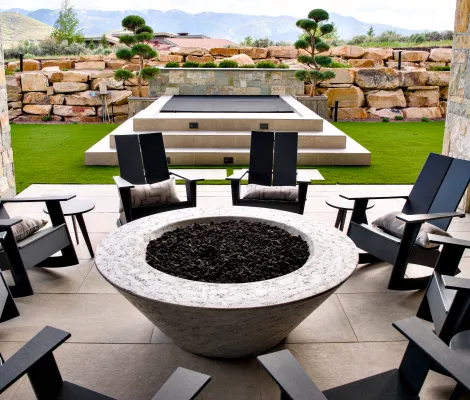
broom, exposed-aggregate, and stamped finishes, poured on engineered base
Walkways and pathways

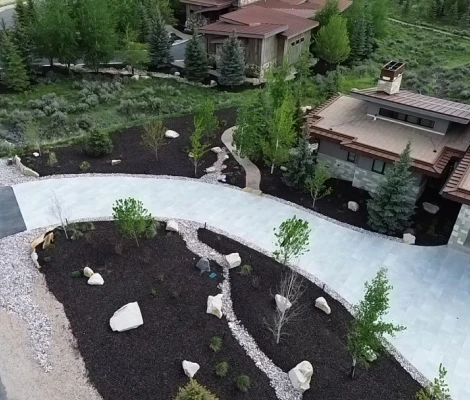
set on properly compacted subgrade, jointed to control cracking
Driveways

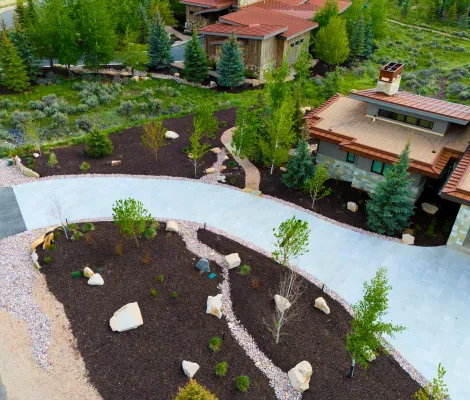
reinforced flatwork built for vehicle loads and plow traffic
Steps and stairs

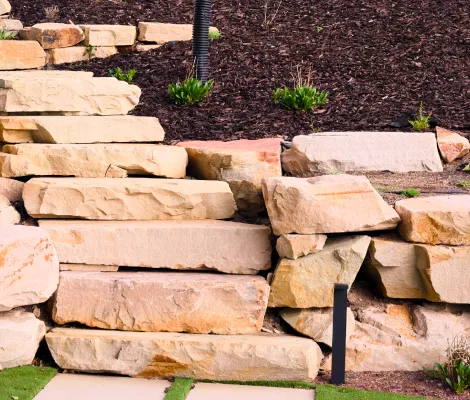
formed and reinforced, tied into the surrounding grade
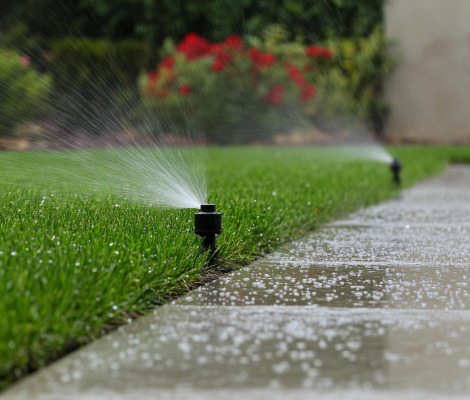
Slabs

for sheds, equipment pads, and outbuildings
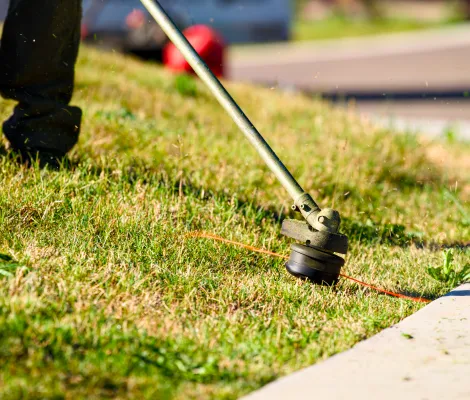
Curbing and edging

clean lines between hardscape, planting, and lawn
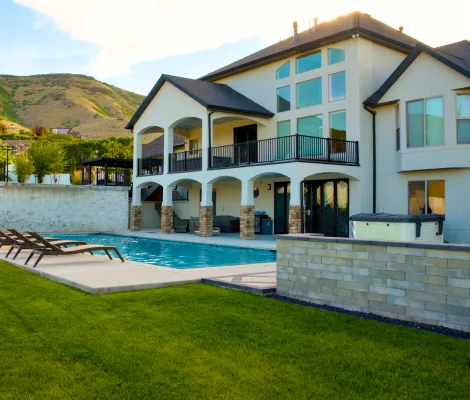
Pool decks and surrounds

slip-rated finishes built for mountain summers
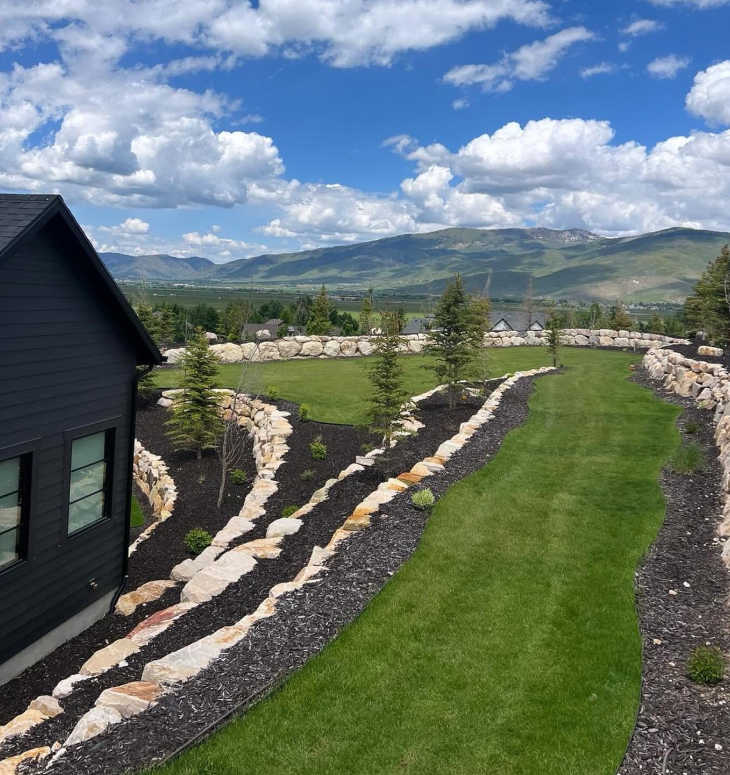
Each one specified for the site it sits on — slope, soil, drainage, and frost depth — not poured to a standard detail and hoped for.

Materials and Finishes

The right mix and finish for one property is the wrong one for another. Specification starts with the climate, the way the surface will be used, and the architecture of the home.

We pour air-entrained structural concrete rated for the freeze-thaw cycle, reinforced with rebar or fiber where the load demands it, and sealed with products that actually hold at altitude. Finishes range from broom and float for traction, to exposed aggregate, to stamped and integral-color work that reads like stone at a fraction of the maintenance. We know which sealers survive a winter at 7,000 feet, which joint spacing holds a long driveway together, and which finishes keep their color when the sun hits them all summer.

How We Build It

A slab only lasts as long as what’s underneath it and the care taken at the edge. We treat a pour as three disciplines done in order, not one truck and an afternoon.

01 The Base

Before any forms go up, our excavation crew prepares the ground. We dig below frost depth where the work requires it, compact the subgrade, and build an engineered aggregate base that drains water away from the slab and resists the heave of a Wasatch winter. The base is invisible the day the concrete cures. It’s also what decides whether the slab is still flat in five years.

We form, reinforce, and place to the site’s conditions — air-entrained mixes rated for freeze-thaw, rebar or mesh where the load calls for it, and control joints placed so the slab cracks where we tell it to, not where it wants to. Pour timing is read off the weather, not the calendar; concrete placed in the wrong heat or cold never recovers.

The finish is where the craft shows. Broom for grip, exposed aggregate for texture, or stamped and integral-color work where the design asks for it — troweled, edged, jointed, and cured by hand. Our foremen have finished flatwork on this terrain for two decades. The finish is what you see; the cure is what makes it last. 

Featured Projects

Work shaped by place.

Concrete reads differently on the property than it does on the page. Our portfolio shows flatwork across multiple seasons — the first pour, the first winter, the third summer, the way joints hold and the way the surface wears.


Each project includes the site, the decision that defined the build, the mix and finish specified, and what we’re doing on the property now. 

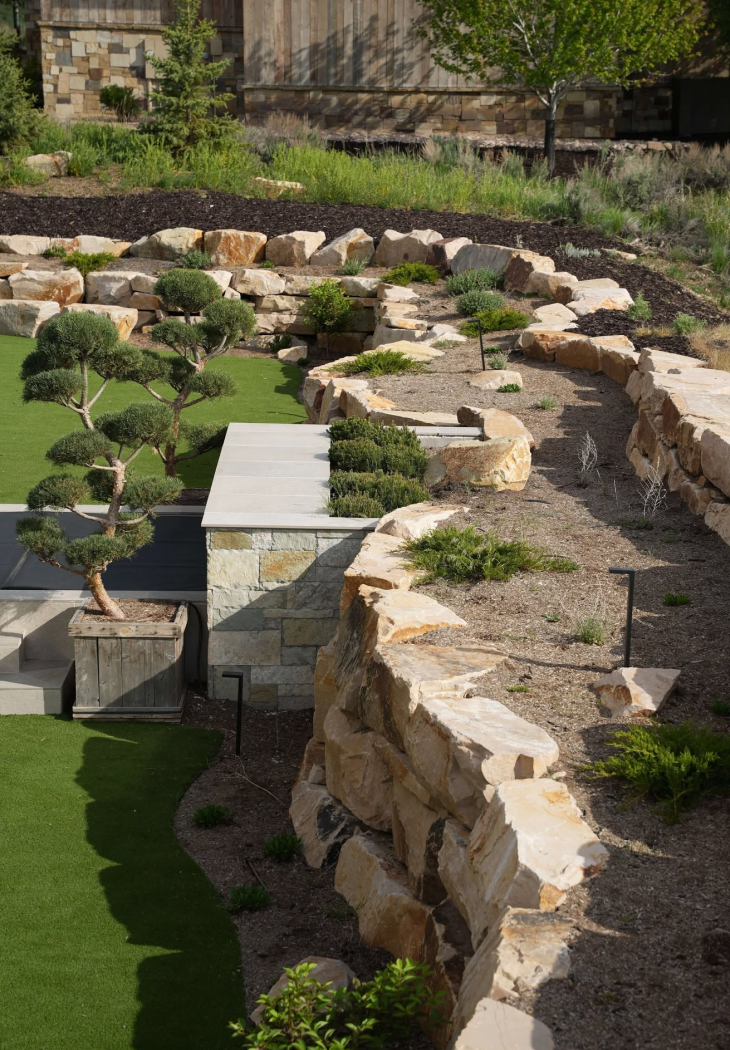
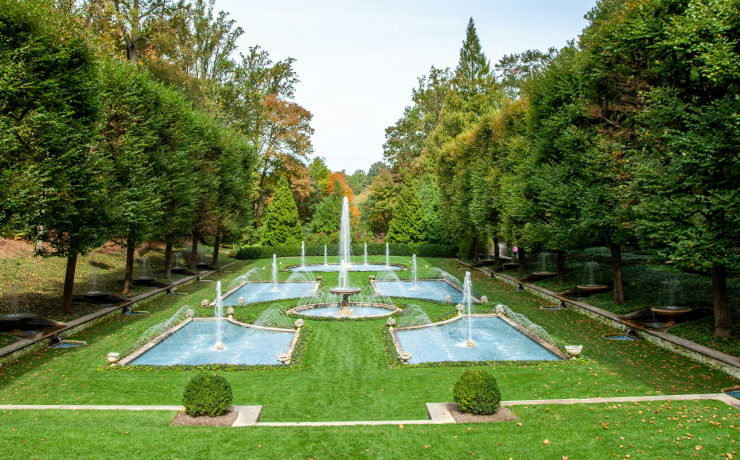
Old Ranch Road.

Stone terraces designed for mountain runoff and winter durability.
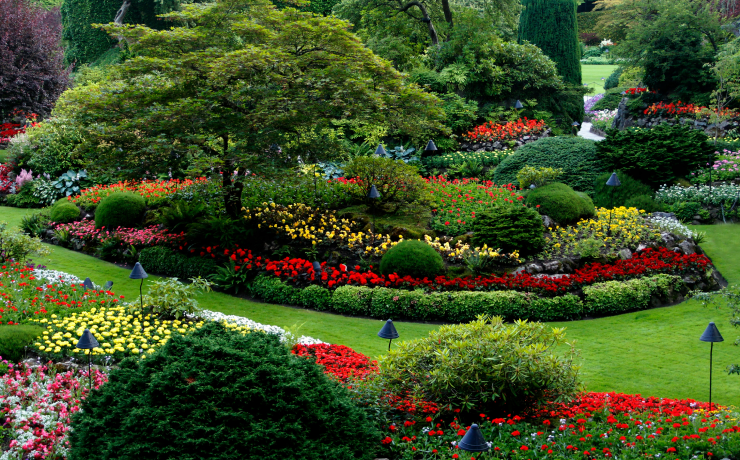
The North Bench House.

Terraced stonework shaped for steep mountain grades.
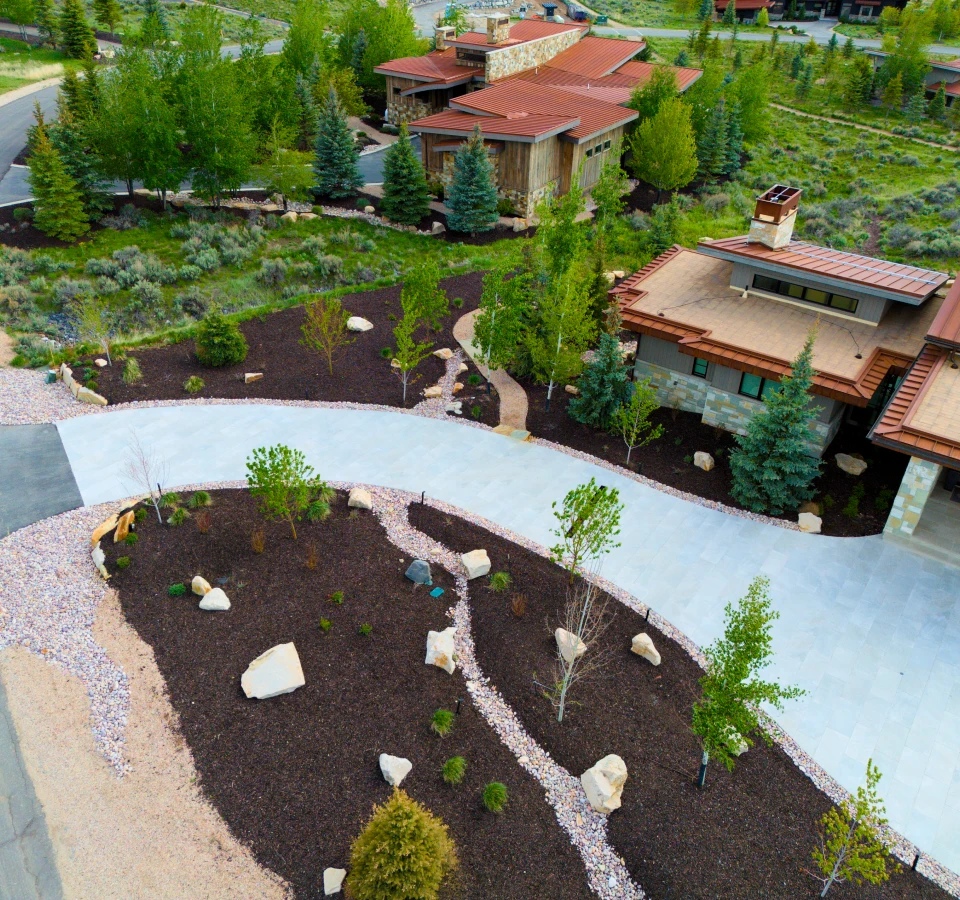
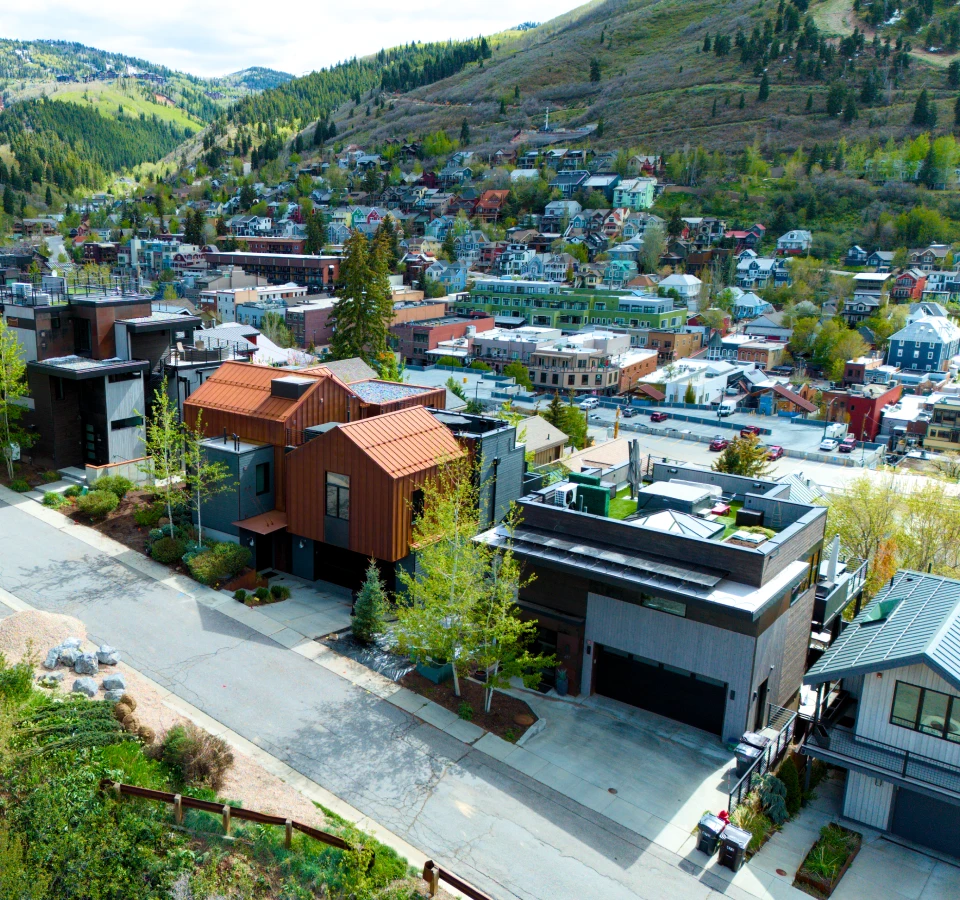
Mountain Majesty Manor.

Built for mountain winters and year-round living.
Where We Pour

Salt Lake County, Summit County, and Wasatch County — Salt Lake City, Park City, Heber, Midway, and select projects across the Wasatch Front. The ground is different on either side of the divide: different frost depth, different drainage, different soil. The base prep and the mix change with it.

The studio is built for one region, and the crews know it intimately.

After the Pour — The Stewardship Relationship

Concrete isn’t done when the forms come off. The real test is how a slab holds up across the winters that follow — and that’s where most contractors are already gone.

The crew that pours your flatwork is the crew that looks after it. We re-seal on the right cycle, keep joints and edges sound, clear snow off the surfaces we built without the de-icing chemicals that eat concrete, and catch a drainage problem before it becomes a crack. Looking after the work is reading the property continuously, not just the day of the pour.

One team. Every season. For the long run.

A Concrete Project, Start to Finish

A Prime pour follows the same path every time. We walk the property and study how it handles water, sun, and grade. We lay out the work — dimensions, joints, finish, and how it ties into the planting and hardscape around it. Our excavation crew preps and compacts the base. We form, reinforce, and pour on a day the weather allows. We finish and cure the surface by hand, then return to look after it as the seasons move through.

Because excavation, trucking, and finish work are all in-house, there are no scheduling gaps between phases and no design intent lost in a handoff.

questions you may have

Frequently asked questions

How long does concrete take to cure before I can use it?

Foot traffic is usually fine after a few days; vehicle traffic and full strength take about a month. We’ll walk you through what each surface can take and when, and we plan the pour around the weather so the cure holds.

All concrete moves, which is why we place control joints to direct where it cracks and pour air-entrained mixes built for freeze-thaw. The bigger factor is the base — a properly excavated, compacted, well-drained base is what keeps a slab flat through twenty winters.

Broom, float, exposed aggregate, stamped, and integral color, among others. The finish is chosen for how the surface is used and how it sits with the home — traction where you need it, texture and color where the design calls for it.

Ourselves. Excavation and grading are in-house, which is the whole point — the team that prepares the ground is accountable for how the slab performs. There’s no gap between the base and the pour.

Yes. Re-sealing, joint and edge care, winter snow clearing without concrete-eating chemicals, and catching drainage issues early are all part of the stewardship relationship for the properties we look after.

Start a Conversation

Every pour starts with a conversation about how you use the space and how the property handles water and grade.


We design, pour, and look after the work — base prep, forms, finish, and seasonal care under one roof. The same team carries it from the first site walk to every winter that follows.