
Built to Swim at 7,000 Feet.
A Park City Studio Approach to Fiberglass Pools
Prime is a design studio rooted in Park City, and a pool here is not an amenity dropped into a backyard. It is excavation on grade, a shell set level to the millimeter, drainage that respects spring runoff, and a surround that has to hold its footing through twenty freezes. Our crews install fiberglass pools across Summit, Wasatch, and Salt Lake counties, on terrain where slope, access, and a long mountain winter decide what a pool can be.
Most of that work is what Prime has always done: reading the site, moving the earth, setting the stone, planting what holds at this altitude. The pool is the newest thing we set into it.
Schedule a Consultation
The Pool Models We Install
Prime installs fiberglass models manufactured by Thursday Pools, one of the country’s most established fiberglass builders. The lineup covers most of what a mountain property asks for:
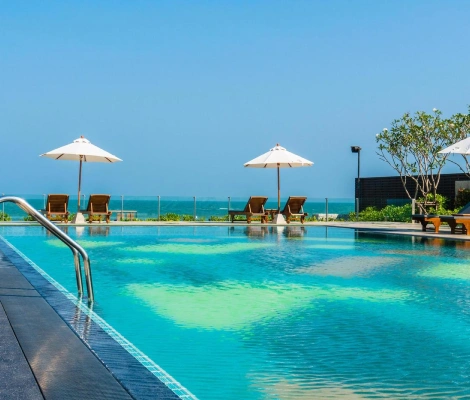
Full-size pools
Goliath, Cathedral, Aspen, and Monolith, for properties with room to swim
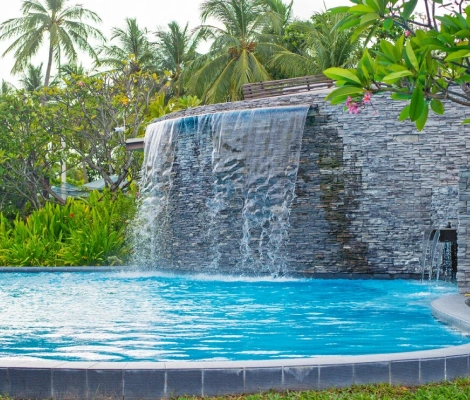
Beach-entry models
Sandal and Grace, with a walk-in entry poured into the shell itself
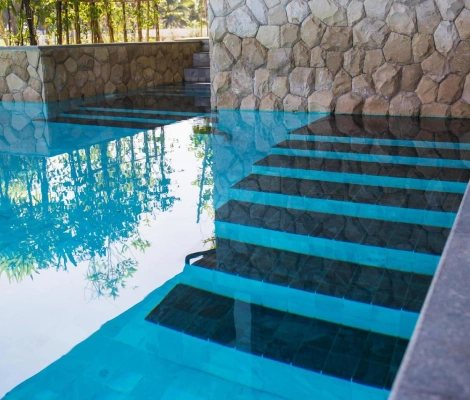
Compact and plunge models
Lil Bob, Spirit, and Sea Turtle, sized for tighter mountain lots
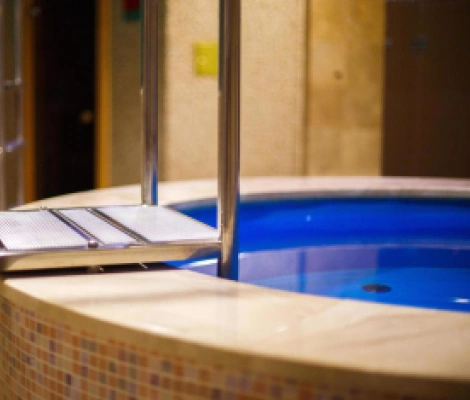
Wading pools and wet decks
shallow water for cooling off, kids, and covered terraces
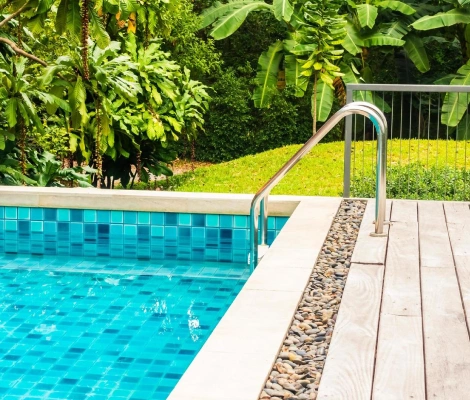
Integrated spas
set alongside or into the pool deck
Every Property Is Different
Walk the site with us and we will tell you what it needs.
The shape arrives decided. The design work is everything around it: where the shell sits on the property, how it faces the view, what the deck is made of, and how the landscape gathers it in.
Why Fiberglass in Utah's Climate
Utah is freeze-thaw country, and the mountains double down on it. Concrete shells are rigid, and rigid materials take that cycle hard: hairline cracks, resurfacing on a schedule, plaster that wants attention every decade. A fiberglass shell is a single molded piece with enough flex to move with the ground instead of fighting it.
There are quieter advantages too. The gelcoat surface holds water chemistry with less effort and stays comfortable underfoot. The shell arrives finished, so installation fits inside a mountain build season instead of consuming one. And fiberglass holds heat well, which matters when the goal is a longer swim season at altitude.
We chose fiberglass for this climate deliberately. It is the right shell for ground that freezes seven months a year.
Spas, Plunge Pools & Wading Pools
Not every property wants a full pool, and the fiberglass line covers the alternatives well. A plunge pool fits where a slope leaves one usable terrace. A spa runs year-round, including the months when the rest of the property is under snow. A wading pool or wet deck gives a family shallow water without committing the whole yard to it.
These smaller formats install the same way full pools do, on the same engineered base, with the same surround built around them. They also work well as the first phase of a larger outdoor living build.
The Pool Surround & Outdoor Living
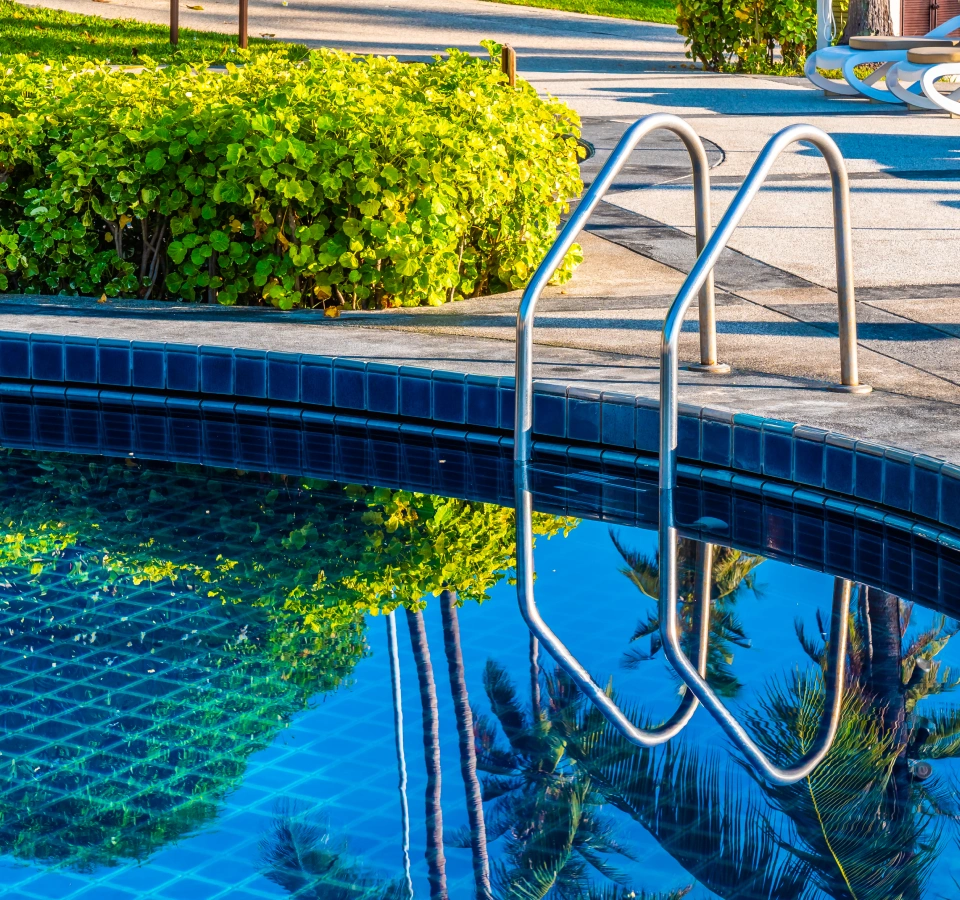
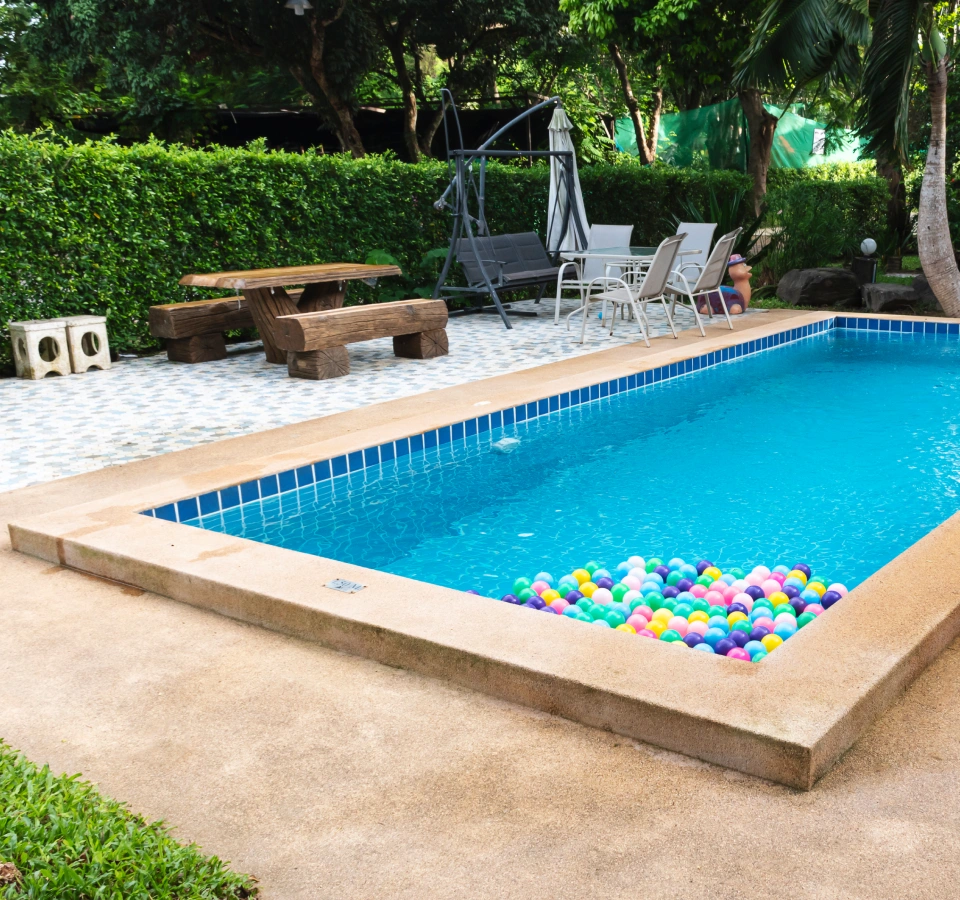
This is where a pool becomes part of the property instead of an object on it, and it is the core of what Prime builds. Stone and paver pool decks with slip-rated finishes. Coping that suits the architecture of the home. Fire features close enough to the water to use on a cold evening. Outdoor kitchens, pergolas, privacy plantings, and lighting that lets the pool hold its own after dark.
The same studio designs the shell placement and the landscape around it, so the drainage, the grades, the plantings, and the stone all resolve as one piece of work. Species near the water are chosen for low debris. Deck stone is specified for bare feet in July and snow load in January.
How We Install It
A fiberglass installation is fast compared to a concrete build, but only when the ground work is right. We treat it as three acts.
01 The Site Work
We walk the property before we draw anything: slope, access, sun, drainage, the sightlines from inside the home. Then our own excavation crews cut the hole, build the base, and trench the plumbing and electrical. On mountain lots, access planning is half the job, and it is a job our crews already know.
02 The Set
The shell arrives on a truck and goes in by crane, usually in a single day. Setting it is precision work: level within fractions of an inch, plumbed, backfilled in lifts with water and material balanced so the shell settles true. This is the step where an experienced crew shows.
03 The Deck & Surround
Coping, deck, walls, plantings, and lighting follow, built by the crews that do this work on Prime properties all year. When it is finished, we walk the property with you, feature by feature, so you know how everything works and what to expect from it season to season.
Call (435) 659-5739 to schedule a site walk.
Featured Projects
Work shaped by place.
Concrete reads differently on the property than it does on the page. Our portfolio shows flatwork across multiple seasons, the first pour, the first winter, the third summer, the way joints hold and the way the surface wears.
Each project includes the site, the decision that defined the build, the mix and finish specified, and what we’re doing on the property now.
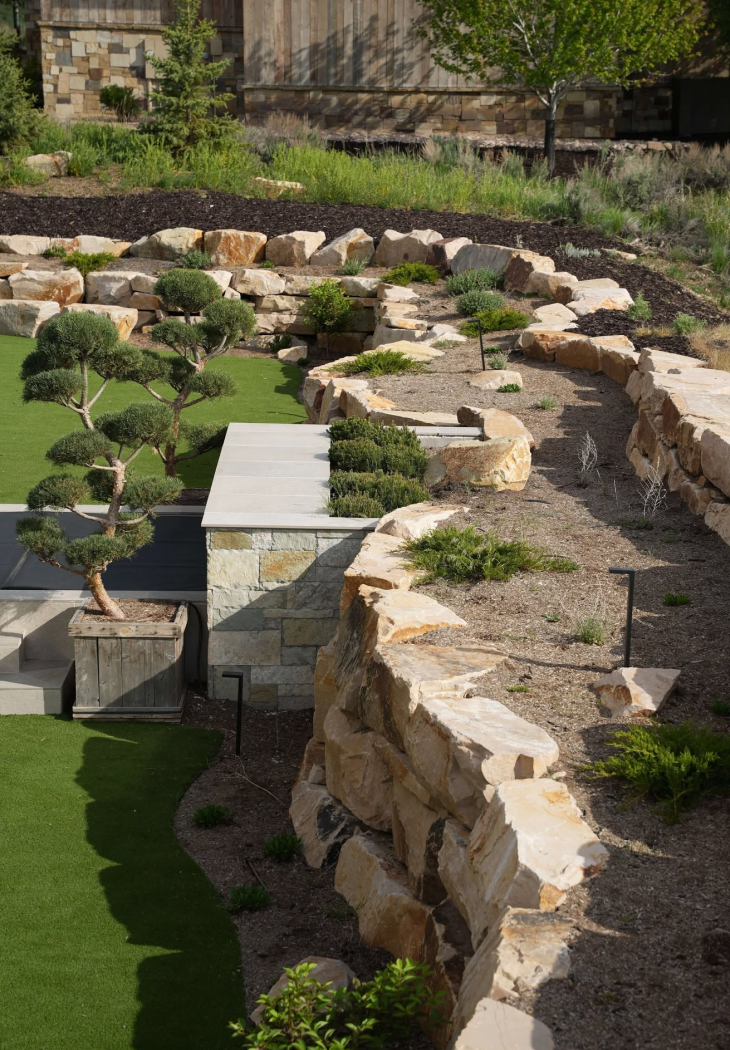
Old Ranch Road.
Stone terraces designed for mountain runoff and winter durability.
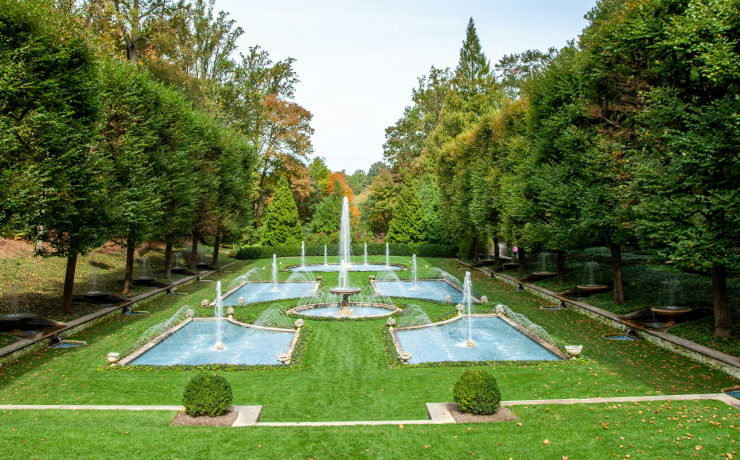
The North Bench House.
Terraced stonework shaped for steep mountain grades.
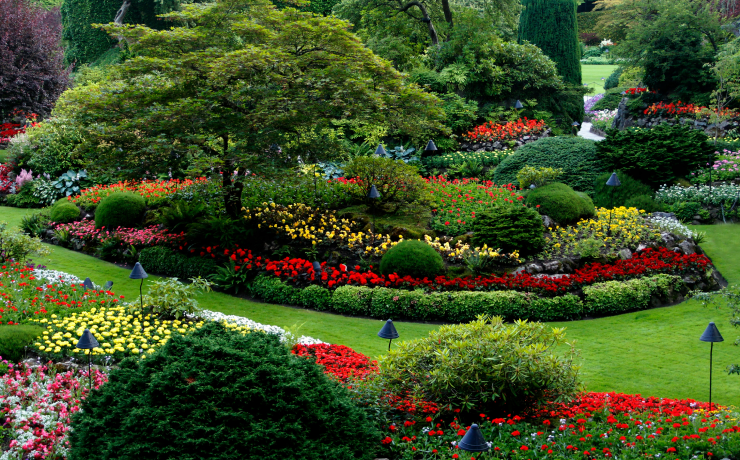
Mountain Majesty Manor.
Built for mountain winters and year-round living.
A Pool That Winters Well
A pool in the Wasatch spends more of the year closed than open, and the design has to take winter as seriously as summer. We spec heating sized for altitude, where thinner air works equipment harder. We design freeze protection into the plumbing and set lines below the frost depth our excavation crews already build to. Automatic covers earn their place here: they hold heat, keep snow out, and make the shoulder seasons usable.
The base and backfill matter most of all. A shell set on properly compacted material, with drainage that moves snowmelt away from the structure, is what winters well. That is ground work, and ground work is our trade.
What a Fiberglass Pool Costs in Utah
The honest answer has a range, because the site drives the number more than the shell does. In Utah, a fiberglass pool on a straightforward site generally runs between $85,000 and $150,000 installed: shell, excavation, set, equipment, and a first phase of decking. Mountain properties with tight access, significant grade, or engineered walls carry more site work, and a complete outdoor living build around the pool can take a project well beyond that range.
What we can tell you precisely comes from the site study. Once we have walked the property, you get a real number built from your slope, your access, your model, and the surround you actually want, not a brochure figure.
Where We Build
Park City, Deer Valley, Promontory, Glenwild, Tuhaye, Red Ledges, Victory Ranch, Heber Valley, and Midway, with select projects across Summit, Wasatch, and Salt Lake counties. Ground conditions change from one side of the divide to the other: different soils, different frost depth, different runoff. The installation is specified for the site it sits on.
Stewardship Around the Water
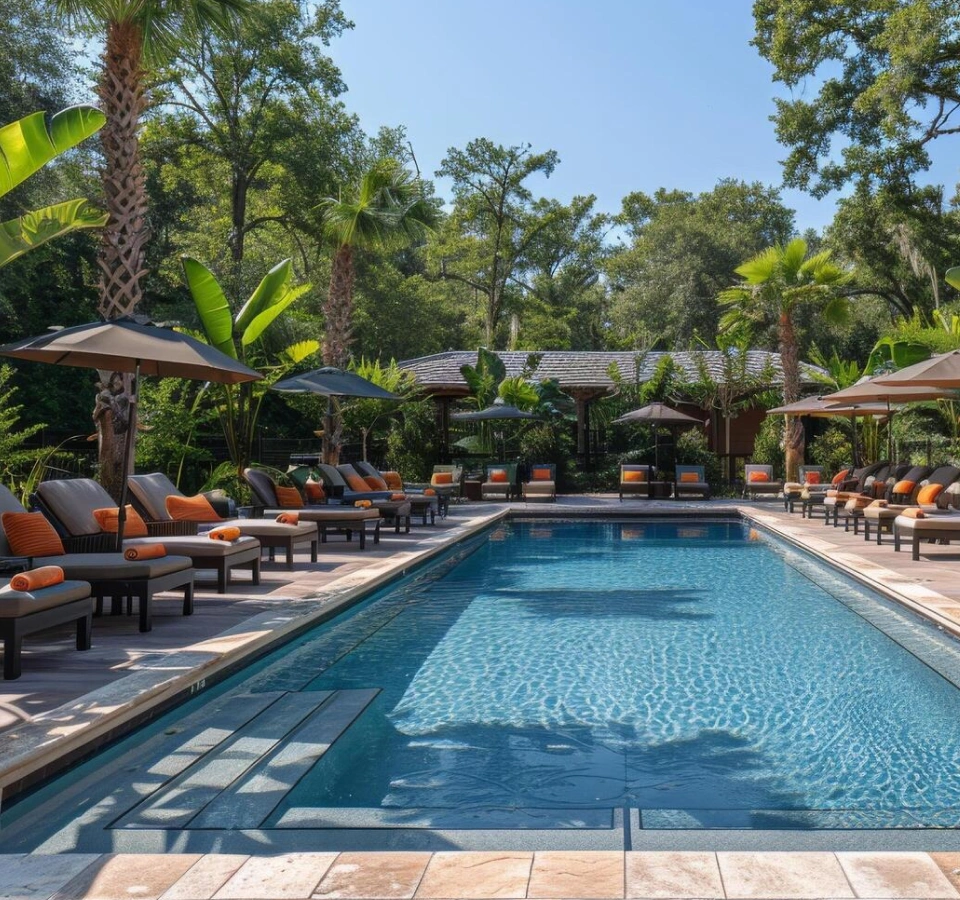
A pool changes how a property is used, and the landscape around it deserves the same attention as the water in it. The crews that build your surround are the crews that come back: spring cleanups that clear the deck and beds, plantings kept low-debris near the water, drainage checked before runoff season, stone inspected before the first hard freeze, and snow cleared so the spa is reachable in January.
We look after the property the pool sits in, across every season, for as long as you own it.
questions you may have
Frequently asked questions
How much does a fiberglass pool cost in Utah?
Most fiberglass pool installations in Utah land between $85,000 and $150,000 including the shell, excavation, set, equipment, and initial decking. Site conditions drive the range: access, slope, and the scope of the surround matter more than the model. A site walk gives you a real number.
How long does fiberglass pool installation take?
The shell itself is typically set in a day. A full installation, from excavation through deck and surround, usually runs six to twelve weeks depending on scope. That speed is one of the reasons fiberglass fits a mountain build season, where concrete construction can consume an entire summer.
Do fiberglass pools hold up to Utah winters?
Yes, and in freeze-thaw terrain they are the durable choice. The shell has enough flex to move with the ground, and the gelcoat surface does not crack or spall the way rigid finishes can. What decides winter performance is the base, the backfill, and the drainage underneath, which is why we treat the ground work as the real build.
What is the difference between fiberglass and concrete pools in this climate?
A concrete shell is built in place and is rigid, so freeze-thaw cycles work on it year after year, and the finish needs resurfacing on a schedule. A fiberglass shell arrives as one finished piece, flexes with ground movement, installs in weeks rather than months, and asks less of you in upkeep. Concrete allows fully custom shapes; fiberglass trades that for durability and speed that suit this climate.
Can Prime build the entire outdoor space around the pool?
That is the point of working with a studio. Design, excavation, the set, the deck, walls, fire, kitchen, plantings, and lighting are all handled in-house by the same team. The pool arrives as a shell; the property around it is designed and built here.
What makes Prime different from other pool installers in Utah?
Most pool companies install the shell and leave the property to someone else. Prime designs the whole setting, does its own excavation, sets the shell, builds the surround, and returns across every season to look after the landscape the pool lives in. One studio, one crew, one phone number.
Start a Conversation
Every Prime project starts with a walk on the property. We listen to how you want to live outside, look at where the water could sit, and tell you honestly what the site will ask for.
If you are considering a pool, a spa, or the outdoor living build around one, we would like to hear about it.