Mature, well-maintained gardens are the crown jewels of any landscape. They provide sweeping beauty, boost property value, and offer an unparalleled environment. But when it comes to fall maintenance, don’t just clean on a whim. Every step you take changes how your garden interacts with the winter environment and how it will sprout in the spring.
Why Cleanup? Have a Good Reason
Unlike cleaning the inside of a house, a garden doesn’t always need a “drastic cut” to stay healthy. In fact, organic matter is essential for soil health and provides shelter for the ecosystem. Removing absolutely everything from the landscape can deprive it of nutrients and leave the roots vulnerable to the cold.
You should perform fall cleanup with specific goals in mind. Good reasons to clean include:
- Safety and Risk Reduction: Removing dead, dying, or structurally weak branches before they fall during winter storms.
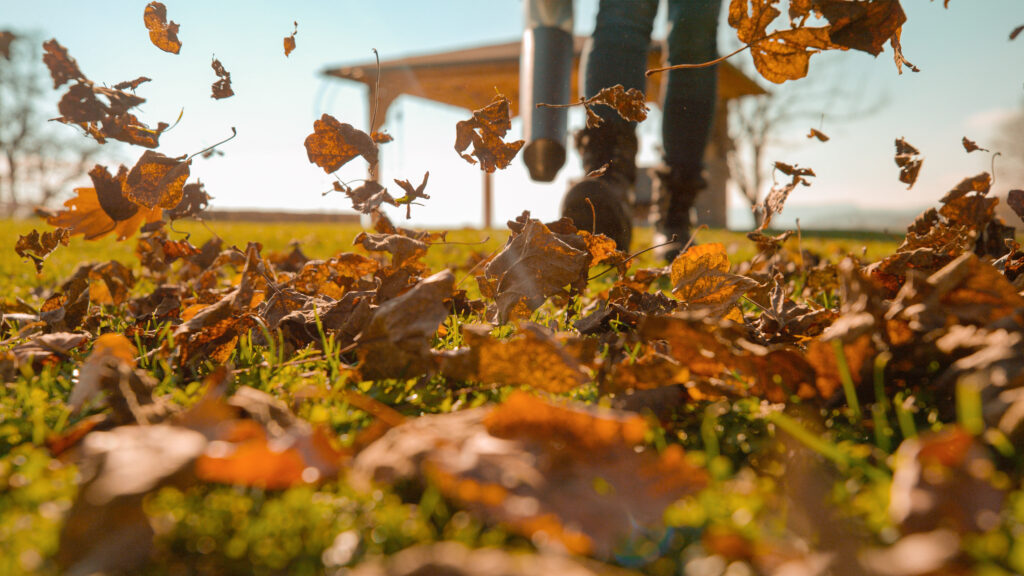
- Lawn Protection: Preventing a thick, heavy layer of wet leaves from suffocating the grass or promoting snow mold.
- Landscape Health: Slightly opening up the space to allow water and winter treatments to reach the roots before the ground freezes.
Timing is Everything: When to Cleanup
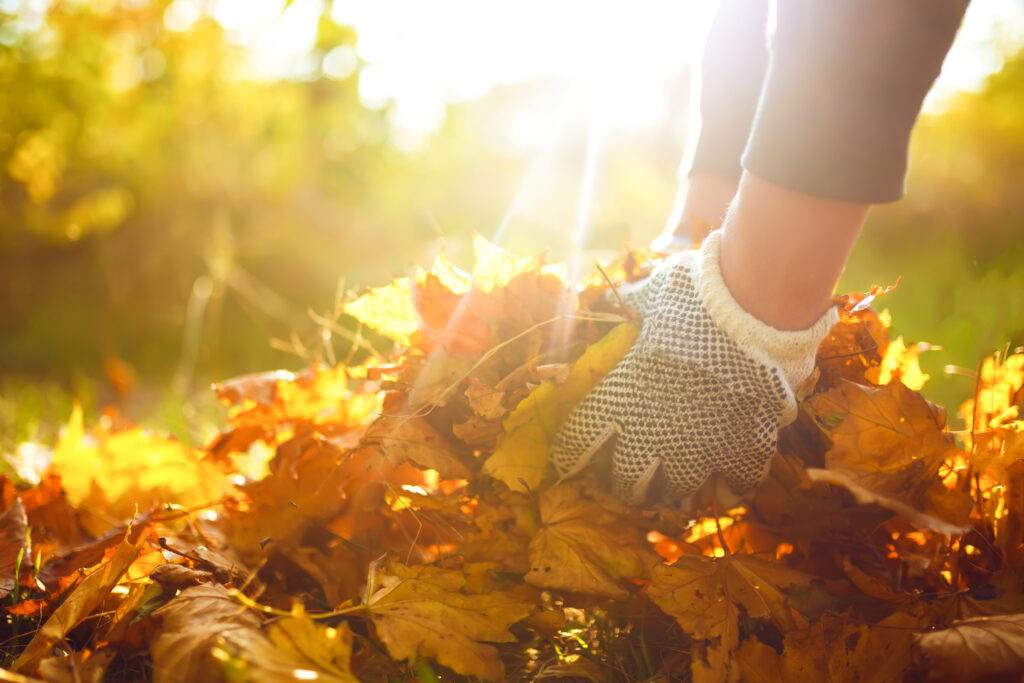
If you are simply picking up loose debris, trash, or a few dry leaves, you can do this safely at any time during the fall.
However, for a deep cleanup, timing matters. The best time is right after most of the foliage has fallen, allowing the lawn to breathe and prepare before the first big snowfall. You should avoid heavy raking or using heavy machinery on the lawn right after a morning frost; frozen grass is fragile, and heavy traffic at this time causes severe stress.
A Vital Warning for Diseased Plants: Some fungal diseases easily overwinter in infected leaf debris. To protect your garden, absolutely avoid leaving debris from diseased plants on the ground or mixing them into your compost.
The Art of Proper Cleanup
Poor cleanup practices are one of the leading causes of long-term landscape damage. To keep your garden healthy, keep these rules in mind:
- Respect the Natural Cycle: When cleaning perennial flower beds, don’t prune the stems flush to the ground prematurely. Leave a few inches to protect the plant’s crown from ice, unless the species requires otherwise.
- Mulch Instead of Raking: If the leaf layer is thin, run the lawnmower (in mulching mode) instead of bagging them. Chopping them into small pieces returns vital nitrogen to the soil.
- The 3-Step Method for a Strong Lawn: Never abandon your lawn before the snow arrives. Instead:
- Clean or mulch the fallen leaves.
- Aerate the soil to relieve summer compaction.
- Apply a winter fertilizer so the roots store energy safely.
The 25% Rule
When it comes to preparing your garden for winter, less is more. Try to accomplish your cleanup goals while minimizing the loss of natural benefits. As a golden rule, never remove more than 25% of the protective organic matter from beds and tree bases. Removing absolutely all the leaf cover from shrub beds can cause thermal shock to the roots and disrupt the habitat of hibernating pollinator insects.
To Bag or Not to Bag?
For decades, homeowners meticulously bagged every leaf and twig, thinking it helped the garden stay healthy. Today, we know that soil and plants heal and are nourished best when a portion of that material is left to decompose naturally in the open air or used as mulch.
There is one major exception: Invasive weeds and leaves from toxic trees (like black walnut). If you clean these areas, you must immediately bag the debris and throw it in the trash to block the spread of unwanted chemicals or seeds. For most other species, leave the plastic bags in the shed.

Know When to Call a Pro
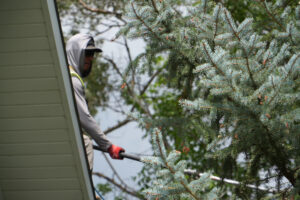
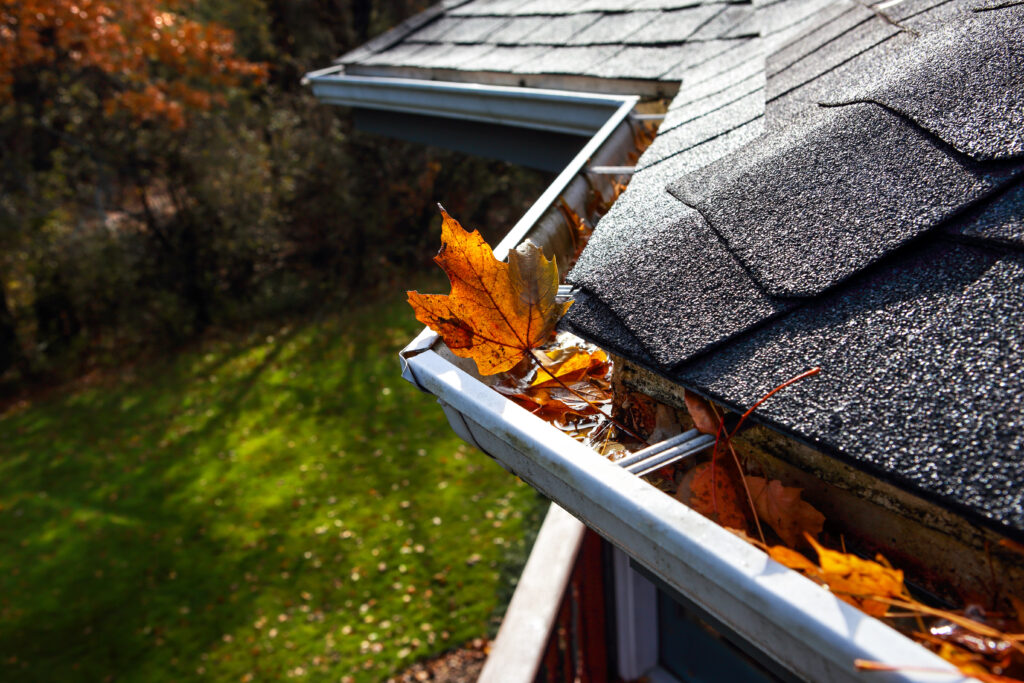
While a light raking on a Sunday afternoon is manageable, complete winter preparation often requires cutting high branches, cleaning hard-to-reach gutters, aerating the lawn with heavy machinery, and removing massive volumes of thick leaves.
When seasonal cleanup threatens to consume all your fall weekends or requires dangerous tools, it’s time to contact the experts. Professionals, like the team at Prime Landscaping, have the equipment and knowledge necessary to ensure your landscape is ready to face the Utah winter months.